Understanding Telemedicine for Stroke
As the healthcare landscape evolves, telemedicine has emerged as a transformative solution, particularly in the realm of stroke care. This innovative approach allows for timely diagnosis and treatment of strokes, significantly improving patient outcomes. Telemedicine for stroke leverages technology to connect patients with healthcare providers remotely, ensuring that even those in underserved areas can receive critical interventions swiftly. When exploring options, Telemedicine for stroke provides comprehensive insights into how this modality is shaping modern healthcare.
What is Telemedicine for Stroke?
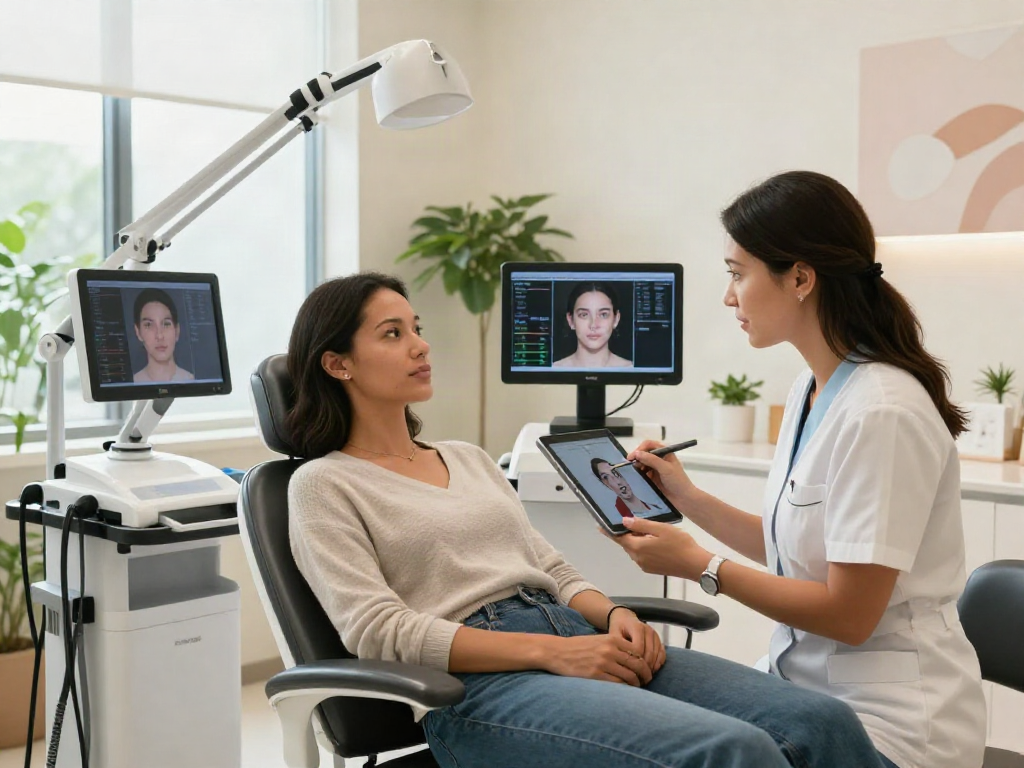
Telemedicine for stroke, commonly referred to as telestroke, involves the use of telecommunication technology to deliver stroke care when in-person visits are not feasible. This approach encompasses a range of services, including video consultations, remote monitoring, and decision support tools that allow physicians to assess symptoms and recommend treatment options efficiently. The primary goal of telemedicine in this context is to facilitate rapid access to specialized care, which is crucial in stroke management where every minute counts.
How Telemedicine is Revolutionizing Stroke Care
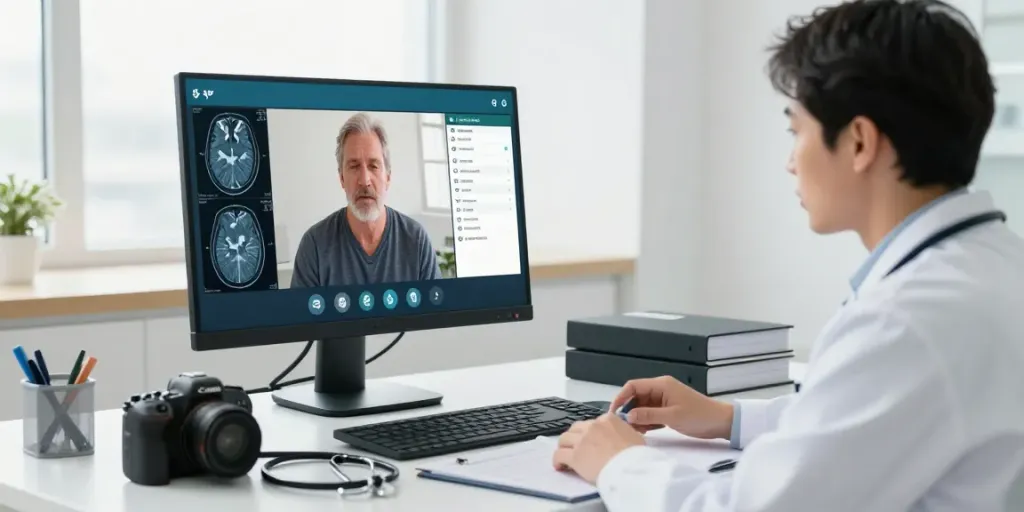
The advent of telemedicine has revolutionized stroke care by enabling quick evaluations by neurologists, often referred to as tele-neurologists. Through secure video conferencing and digital imaging technologies, specialists can analyze CT scans and assess symptoms in real-time, even when the patient is miles away from a major hospital. This prompt access to expertise can lead to faster clot-busting treatments, which are critical in treating ischemic strokes.
The integration of telemedicine not only enhances patient care but also expands reach, ensuring that rural and isolated communities can access expert medical advice that was previously unavailable. This has led to increased rates of thrombolysis—treatment aimed at dissolving blood clots among patients experiencing ischemic strokes—which further underscores the impact of immediate therapeutic interventions.
Benefits and Limitations of Telemedicine in Stroke Treatment
While the benefits of telemedicine in stroke treatment are substantial, it is essential to recognize its limitations. Among the key advantages are:
- Immediate Access to Specialists: Patients can receive instant evaluations, significantly reducing time to treatment.
- Improved Outcomes: Rapid intervention correlates with lower mortality and better recovery rates.
- Cost-Effectiveness: Telemedicine can reduce transportation costs and time off work for patients and caregivers.
- Increased Education and Awareness: Telemedicine platforms often include educational resources that empower patients and families.
However, challenges remain, including:
- Technological Barriers: Not all patients have access to the necessary technology or high-speed internet.
- Licensure and Regulations: Varying state laws can complicate the ability of providers to practice across state lines.
- Patient Engagement: Some patients may be hesitant to use telemedicine for fear of technology or lack of familiarity with digital interfaces.
Technologies Enabling Telemedicine for Stroke
Essential Telehealth Tools for Stroke Management
The effectiveness of telemedicine relies heavily on the technologies employed. Essential tools include high-definition video conferencing platforms, secure online health records, and mobile health applications that allow for remote monitoring of vital signs and symptoms. These tools facilitate seamless communication between patients and healthcare providers, ensuring that critical information is shared promptly.
Video Conferencing and Smart Technologies in Remote Care
Video conferencing remains the backbone of telemedicine for stroke, enabling real-time visual and audio interactions. Innovations in smart technologies, such as wearables and mobile health applications, are also enhancing patient monitoring and data collection. For instance, wearable devices can track heart rhythms and send alerts if they detect irregularities, allowing for timely interventions.
Integration of AI and Machine Learning in Telemedicine
Artificial intelligence (AI) and machine learning are playing increasingly significant roles in telemedicine for stroke by assisting healthcare providers in analyzing patient data more effectively. AI algorithms can help in the triaging process, identifying stroke symptoms based on patient-reported data and guiding healthcare professionals toward necessary actions. This predictive capability not only streamlines processes but also enhances patient outcomes by ensuring that urgent cases are prioritized.
Implementation of Telemedicine for Stroke
Setting Up Telemedicine Services in Healthcare Facilities
Establishing telemedicine services for stroke within healthcare facilities requires strategic planning and infrastructure development. Organizations need to invest in reliable technology, ensure that staff are trained properly, and develop protocols that outline the steps for conducting remote evaluations. Collaboration with stroke specialists and the implementation of a robust IT framework are also critical to facilitate effective telemedicine operations.
Best Practices for Effective Remote Stroke Assessment
To maximize the effectiveness of remote stroke assessments, healthcare providers should follow best practices, including:
- Standardization of Protocols: Developing clear protocols that guide assessment procedures and treatment recommendations.
- Continuous Training: Ensuring that all involved staff regularly update their training on telehealth technologies and stroke care standards.
- Patient-Centric Communication: Engaging patients in their care by providing clear instructions and support throughout the telemedicine process.
Guidelines for Physicians and Healthcare Providers
Physicians and healthcare providers must adhere to established guidelines when utilizing telemedicine for stroke care. These guidelines emphasize the importance of thorough patient assessments, secure handling of sensitive information, and maintaining patient confidentiality. It is crucial for providers to be familiar with local regulations and to document telemedicine interactions appropriately to ensure compliance and quality of care.
Case Studies and Success Stories
Real-Life Applications of Telemedicine for Stroke Recovery
Numerous case studies highlight the success of telemedicine in stroke recovery. For example, a community hospital in a rural area implemented a telestroke program that resulted in a 50% increase in thrombolytic therapy rates within the first year. This significant improvement not only saved lives but also enhanced the overall health outcomes for patients who previously had limited access to specialized care.
How Regions Improved Stroke Outcomes with Telehealth
Regions that have embraced telehealth for stroke management have reported marked improvements in patient outcomes. For instance, hospitals linked with larger stroke centers through telemedicine networks have seen reductions in treatment delays and improved recovery trajectories. These networks allow for swift consultations, enabling comprehensive treatment plans to be devised without unnecessary delays.
Evaluating the Impact of Telemedicine in Stroke Networks
Evaluating the impact of telemedicine within stroke networks involves analyzing data on patient outcomes, treatment times, and patient satisfaction. Research has demonstrated that patients receiving care through telemedicine have shorter door-to-needle times and higher rates of receiving critical interventions. These evaluations are essential for refining practices and demonstrating the value of telemedicine in stroke care.
Future of Telemedicine in Stroke Care
Emerging Trends and Technologies for 2026 and Beyond
As we look toward the future, several trends in telemedicine for stroke care are likely to emerge. Advanced data analytics, enhanced integration with electronic health records, and improved telecommunication infrastructure will make remote care more efficient. Additionally, the use of virtual reality and augmented reality in training telehealth providers and aiding patient rehabilitation is expected to gain traction.
Challenges Ahead for Telemedicine in Stroke Treatment
Despite the promising future of telemedicine in stroke care, challenges remain. Issues such as reimbursement policies, regulatory hurdles, and disparities in access to technology can hinder widespread adoption. Addressing these challenges will require collaborative efforts from healthcare providers, policymakers, and technology developers.
Expert Predictions on Telehealth Evolution
Experts predict that telehealth will continue to evolve, with growing acceptance among both patients and providers. As telemedicine becomes more embedded in health systems, the focus will be on enhancing user experience and outcomes. Continued investment in technology and training will be critical to ensure that telemedicine meets the needs of patients experiencing strokes.
What is telemedicine, and how is it used for stroke treatment?
Telemedicine is the use of telecommunications technology to provide remote healthcare services. In the context of stroke treatment, it is used to connect patients with specialists for immediate evaluations and treatment recommendations.
What are the main advantages of telemedicine for stroke patients?
The primary advantages include immediate access to specialist care, improved treatment outcomes, cost-effectiveness, and increased patient education opportunities.
How can healthcare providers ensure effective telemedicine consultations?
Providers can ensure effectiveness by standardizing protocols, continually training staff, and prioritizing patient communication and engagement.
What technology is necessary for successful telemedicine services?
Successful telemedicine services require reliable video conferencing tools, a secure platform for patient data, and devices that enable remote monitoring and assessments.
How has telemedicine impacted stroke recovery rates?
Telemedicine has significantly improved stroke recovery rates by facilitating prompt access to specialized care, which is critical in managing acute stroke cases.