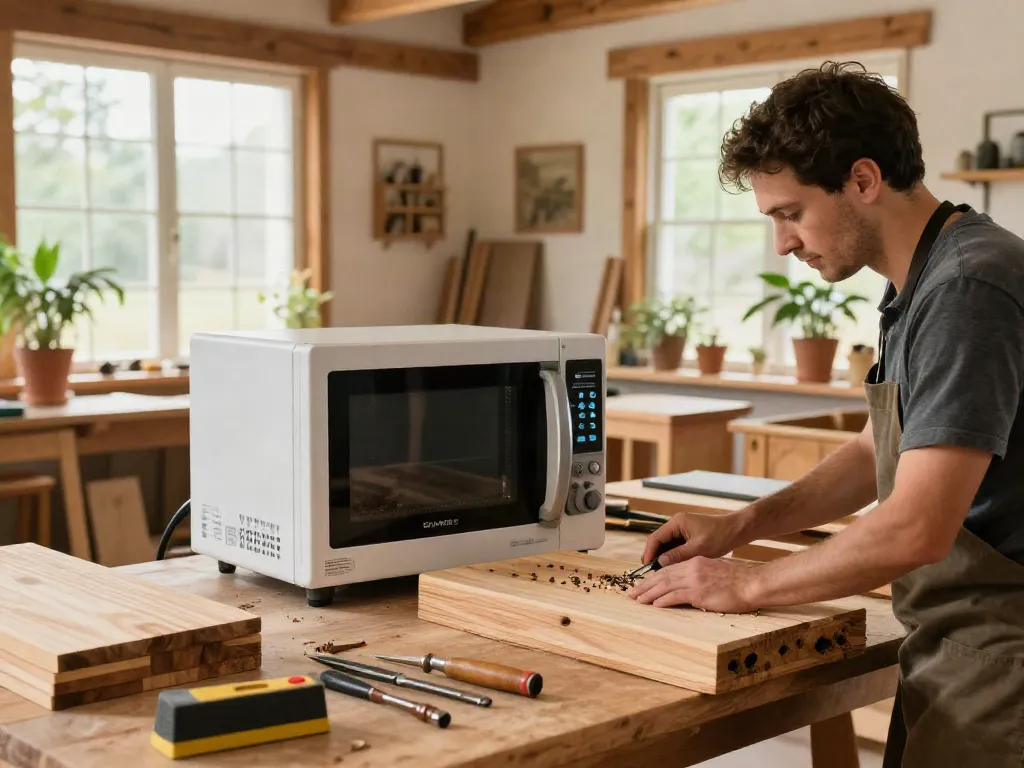
Understanding SHASHEL® Microwave Technology
As we continuously seek effective solutions for wood pest problems, SHASHEL® stands out with its innovative microwave technology designed to eliminate wood-boring insects swiftly and safely. This modern approach encompasses unique benefits that traditional methods often lack, especially in preserving the integrity of wooden structures while ensuring a chemical-free environment.
What is SHASHEL® and How Does it Work?
SHASHEL® is a cutting-edge technology that uses microwave radiation to target wood-boring insects, such as woodworms and beetles. The system works by generating heat deep within the wood, effectively exterminating pests at all life stages—eggs, larvae, and adults. This heat penetration ensures a thorough treatment without the risk of chemical residues or harm to surrounding materials.
The Science Behind Microwave Wood Treatment
The treatment process relies on the principle of dielectric heating, where microwaves excite water molecules within the wood, quickly raising its temperature. This rapid heating method allows the device to effectively disrupt the cellular structure of insects, leading to their demise within minutes. Compared to conventional methods, SHASHEL® delivers a faster and more efficient solution to managing wood pests.
Benefits of Choosing SHASHEL® for Wood Treatment
- Speedy Elimination: The microwave treatment can eradicate pests in just a few minutes, making it an ideal solution for urgent infestations.
- Chemical-Free: SHASHEL® ensures a non-toxic approach, safeguarding the environment and the health of residents and workers.
- Deep Penetration: The technology effectively reaches hidden areas where pests typically reside, providing comprehensive treatment that other methods may miss.
- Versatile Application: SHASHEL® can be utilized in various settings, from residential homes to commercial woodworking facilities.
Comparative Analysis with Traditional Methods
Limitations of Chemical Pest Control in Wood Treatment
While chemical interventions have been the standard approach for decades, they come with significant drawbacks. These include the potential for harmful residues, the need for vacating treated spaces, and the risk of not reaching insects hidden deep within wood structures. Furthermore, resistance to chemical treatments can develop over time, making them less effective and prompting the need for harsher chemicals.
Efficiency of SHASHEL® Compared to Conventional Methods
When evaluating the efficiency of SHASHEL® against conventional chemical methods, the benefits of microwave technology become evident. Treatments that could take weeks to clear pest infestations can often be accomplished in mere minutes with SHASHEL®. This efficiency translates to less downtime for businesses and greater satisfaction for homeowners.
Environmental Impact: Why Go Chemical-Free?
In an era focused on sustainability, the environmental impact of pest control methods is paramount. SHASHEL® aligns with eco-friendly practices, offering a safe alternative without the adverse effects associated with chemical usage. This chemical-free approach protects not only the wood but also the surrounding eco-systems, ensuring a healthier living and working environment.
Practical Applications of SHASHEL® Equipment
Residential Uses: Protecting Your Home
Homeowners facing wood pest issues can greatly benefit from the SHASHEL® treatment system. It is particularly effective for treating wooden structures, furniture, and artifacts without damage. With its ease of use, homeowners can feel confident knowing that their investments are protected, and the safety of their family is ensured.
Commercial Applications in Woodworking Shops
For woodworking businesses, maintaining the integrity of materials is crucial. The introduction of SHASHEL® allows for efficient pest control measures, minimizing production delays. By integrating this technology, businesses can uphold high standards of quality while safeguarding their raw materials from infestations.
Using SHASHEL® in Historical Restoration Projects
In the realm of historical restoration, preserving original materials while ensuring pest eradication is essential. SHASHEL® provides an unparalleled solution, allowing conservators to treat valuable wooden artifacts without compromising their historical integrity. Its effective yet gentle handling of wood makes it a favored choice in restoration projects.
Best Practices for Using SHASHEL® Equipment
Step-by-Step Guide to Effective Wood Treatment
- Assessment: Identify the areas affected by wood-boring pests.
- Preparation: Ensure the space is clear of obstructions and that all safety precautions are in place.
- Treatment: Utilize the SHASHEL® system according to the manufacturer’s instructions for optimal results.
- Follow-Up: Inspect treated areas after the recommended period to confirm eradication.
Common Mistakes to Avoid with Microwave Treatment
- Neglecting to assess the extent of the infestation properly.
- Failing to follow the operational guidelines, which can lead to ineffective treatment.
- Not considering the wood type and structure before treatment.
Maintenance Tips for SHASHEL® Equipment
Regular maintenance of SHASHEL® equipment is vital for longevity and effectiveness. Always keep the machinery clean, check for any signs of wear, and ensure that the microwave components are functioning correctly. Following a strict maintenance schedule will ensure optimal performance and prevent unexpected breakdowns during crucial treatment processes.
Future Trends in Wood Treatment Technologies
Predictions for Wood Treatment Solutions in 2026
Looking ahead to 2026, the demand for sustainable and efficient pest control solutions is expected to grow. As awareness surrounding environmental impacts increases, technologies like SHASHEL® will likely gain greater prevalence, with innovations aimed at enhancing efficiency and user-friendliness becoming a focus in product development.
Innovation in Pest Control: What to Expect?
Future advancements may include enhanced microwave systems capable of targeting new species of wood pests or integrating smart technology for automated monitoring and maintenance. The goal will be to provide users with intuitive, efficient solutions that require minimal effort while delivering maximum results.
The Role of SHASHEL® in Sustainable Practices
SHASHEL® is poised to lead the industry toward more sustainable practices, promoting eco-friendly pest management while addressing the urgent need for effective pest control solutions in both residential and commercial spaces. By prioritizing such technologies, we can move towards a future where pest control is effective yet safe for our planet.
What makes SHASHEL® a leader in wood pest solutions?
The combination of speed, safety, and efficiency makes SHASHEL® a leader in wood pest solutions. The ability to treat infestations swiftly while maintaining environmental safety highlights its innovation and relevance in today’s pest management landscape.
How long does the SHASHEL® treatment process take?
The SHASHEL® treatment process is extremely quick—typically, pest eradication can be achieved in a matter of minutes, significantly reducing the downtime experienced with traditional methods.
Can SHASHEL® be used on all types of wood?
Yes, SHASHEL® is versatile enough to be used on various types of wood, making it suitable for residential projects, commercial applications, and historical restorations. The careful treatment process ensures that the wood’s integrity is maintained throughout.
What is the cost-effectiveness of using SHASHEL®?
Investing in SHASHEL® equipment can lead to significant long-term savings. The rapid treatment times and effectiveness often mean lower overall costs compared to prolonged chemical treatments and the required follow-ups to ensure complete pest eradication.
Are there any safety concerns with SHASHEL® technology?
SHASHEL® technology is designed with safety in mind. It eliminates the need for chemicals, avoiding any associated health risks. However, as with any equipment, users should follow the operational guidelines to ensure they are utilizing the system correctly and safely.