
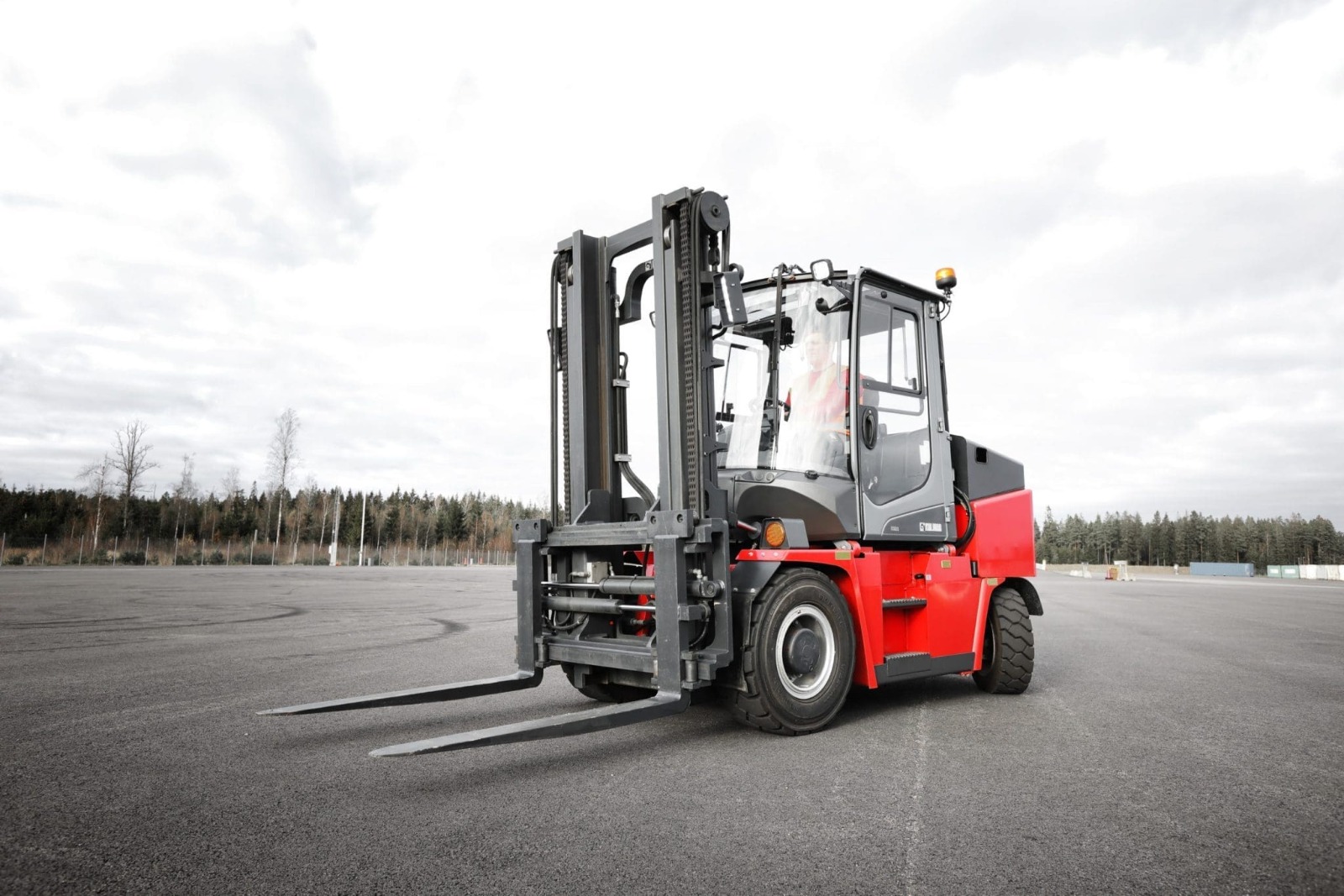
Reliable Movement of Heavy Machinery for Modern Projects
Contractors today depend heavily on efficient logistics to keep projects on schedule and within budget. One of the most important parts of this process is equipment transport, which ensures that heavy machinery, tools, and construction assets reach job sites safely and on time. Without a dependable system for moving equipment, even well-planned projects can face delays and financial setbacks.
A well-organized equipment transport solution helps contractors focus on actual construction work instead of worrying about how machines will be delivered or relocated. It creates a smoother workflow where resources are available exactly when needed, improving productivity across every stage of a project.
Why Efficient Equipment Movement Matters in Construction Work
Every construction project relies on timing, coordination, and precision. Delays in machinery arrival can slow down entire teams and disrupt schedules. This is where professional equipment transport plays a critical role by ensuring that all necessary tools and machines are delivered without unnecessary waiting time.
Contractors often manage multiple sites at once, making logistics even more complex. A structured equipment transport system allows them to move resources efficiently between locations, reducing idle time and maximizing output. This level of coordination directly contributes to better project performance and client satisfaction.
Cost Savings Through Smart Logistics Planning
One of the biggest advantages of professional equipment transport is cost efficiency. Moving heavy machinery requires specialized vehicles, skilled operators, and proper planning. Without a structured system, costs can quickly increase due to delays, fuel usage, and potential damage during transit.
By optimizing routes and scheduling deliveries strategically, businesses can significantly reduce operational expenses. A reliable equipment transport service ensures that every move is planned with precision, helping contractors avoid unnecessary costs while maintaining high service quality.
Safety Standards in Heavy Equipment Movement
Safety is a top priority when dealing with large and valuable machinery. Proper equipment transport requires secure loading techniques, specialized carriers, and trained personnel who understand how to handle different types of equipment.
Accidents during transit can lead to expensive repairs and project delays. Professional equipment transport providers follow strict safety protocols to ensure that machinery is protected throughout the journey. This includes proper weight distribution, secure fastening systems, and compliance with transportation regulations.
Flexibility for Different Types of Projects
Construction projects vary in size and complexity, and so do their transportation needs. A flexible equipment transport system can handle everything from small machinery to oversized industrial equipment. This adaptability is essential for contractors working on diverse projects.
Whether it is a short-distance relocation or long-haul movement between cities, a dependable equipment transport solution can adjust according to project requirements. This flexibility ensures that contractors always have access to the resources they need without unnecessary delays or complications.
Reducing Downtime with Organized Delivery Systems
Time is a valuable resource in the construction industry. Any delay in equipment arrival can halt operations and increase labor costs. Efficient equipment transport minimizes downtime by ensuring timely delivery of all necessary machinery.
Proper scheduling and coordination allow contractors to plan their work more effectively. When equipment arrives exactly when needed, teams can continue working without interruption. This seamless process is one of the key benefits of professional equipment transport solutions.
Supporting Large-Scale Construction Operations
Large construction projects often involve multiple machines operating across different zones. Coordinating movement between these zones requires careful planning and execution. A structured equipment transport system helps manage these complex logistics with ease.
From excavators and bulldozers to cranes and loaders, every piece of machinery must be delivered at the right time and place. Reliable equipment transport ensures that large-scale operations run smoothly, even under tight deadlines and demanding conditions.
Enhancing Project Efficiency Through Professional Services
Efficiency is the foundation of successful construction management. Contractors who invest in professional equipment transport services gain a significant advantage in terms of organization and reliability.
By outsourcing transportation tasks to experienced providers, businesses can focus more on core construction activities. This leads to better resource allocation, improved productivity, and faster project completion. A dependable equipment transport system ultimately enhances overall operational efficiency.
Technology and Innovation in Equipment Logistics
Modern logistics has evolved significantly with the help of advanced technology. GPS tracking, route optimization software, and real-time communication tools have improved the effectiveness of equipment transport services.
These innovations allow contractors to monitor shipments, estimate arrival times, and adjust schedules accordingly. As technology continues to advance, equipment transport will become even more efficient, reducing delays and improving transparency across all stages of movement.
Long-Term Benefits for Contractors and Businesses
Investing in reliable equipment transport provides long-term advantages for contractors. It reduces wear and tear on machinery, ensures timely project completion, and improves overall business reputation.
Clients value contractors who can deliver consistent results without logistical delays. A strong equipment transport system supports this reliability, helping businesses build trust and secure future projects. Over time, it becomes an essential part of sustainable growth and operational success.
Conclusion
Affordable and efficient equipment transport solutions are essential for contractors who want to maintain productivity and control costs. By ensuring safe, timely, and well-coordinated movement of machinery, businesses can eliminate unnecessary delays and improve overall project performance. From small jobs to large-scale operations, professional transportation services play a key role in construction success.
Frequently Asked Questions
What is equipment transport?
Equipment transport refers to the process of moving heavy machinery and construction tools from one location to another using specialized vehicles and trained operators.
Why is equipment transport important for contractors?
It ensures that machinery arrives on time, reduces project delays, and improves overall efficiency on construction sites.
How does equipment transport reduce costs?
Proper planning, optimized routes, and professional handling help minimize fuel usage, damage risks, and downtime, making equipment transport more cost-effective.
Is equipment transport safe for heavy machinery?
Yes, professional equipment transport services follow strict safety protocols, including secure loading and proper handling techniques to protect machinery during transit.
Can equipment transport handle large construction projects?
Absolutely. A well-structured equipment transport system is designed to manage complex logistics for large-scale projects involving multiple machines and locations.