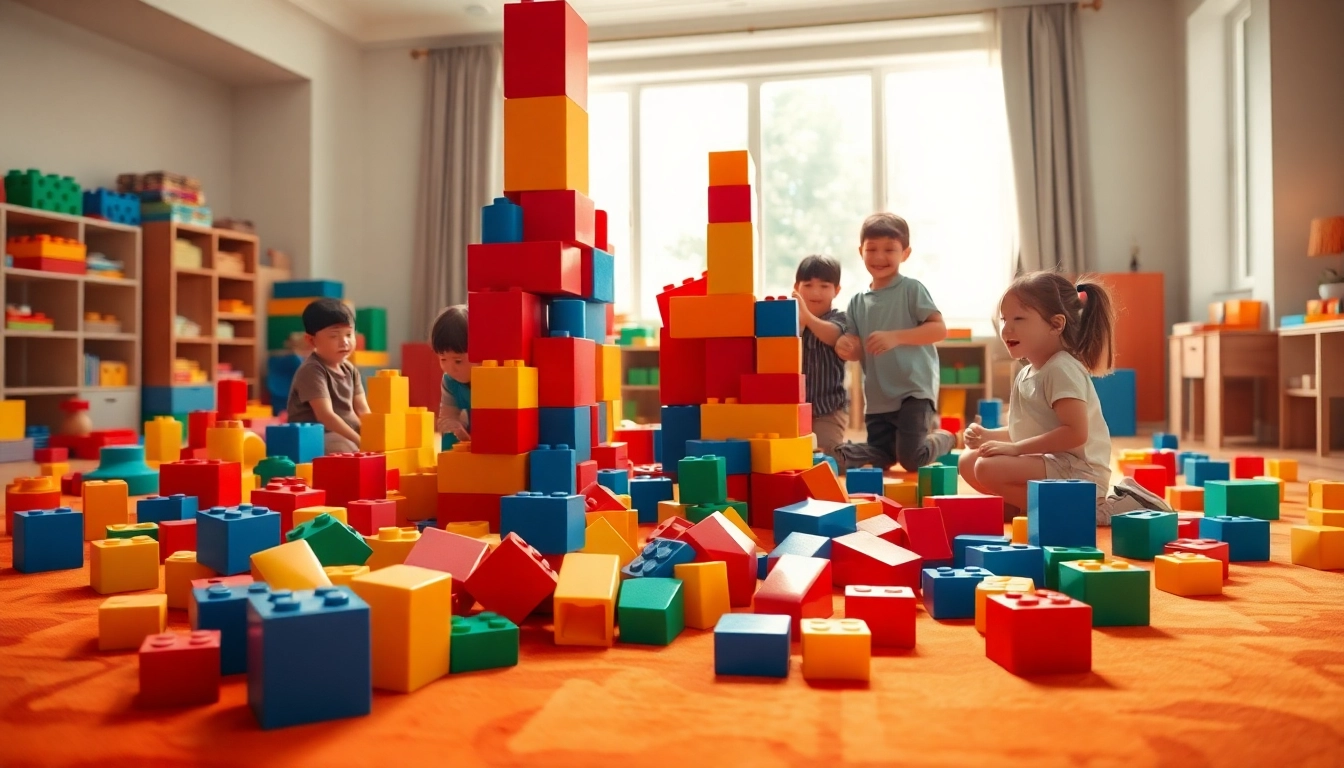
Introduction to Giant Building Blocks
Welcome to the exciting world of giant building blocks! Ideal for playtime adventures, these oversized blocks encourage imaginative exploration and physical activity. Providing a plethora of benefits, they inspire creativity, enhance learning, and promote collaboration among children. In this comprehensive guide, we will delve into the remarkable ways these blocks can be utilized for epic indoor adventures. From understanding their essence to their expansive benefits and activities, we encourage you to discover more about how they can transform playtime into a meaningful experience.
What Are Giant Building Blocks?
Giant building blocks are large, lightweight blocks made from various materials such as foam, plastic, and wood. Their super-size allows children to build structures that are not only safe but also encourages multiple layers of creativity and collaboration. Unlike conventional building sets that can be restrictive, giant blocks provide unlimited potential for building and open-ended play scenarios. Children can create anything from simple towers to intricate castles, making them a versatile choice for playtime.
Benefits of Play with Building Blocks
The advantages of playing with giant building blocks extend far beyond mere entertainment. Engaging with these blocks helps to:
- Enhance Cognitive Development: Building complex structures requires children to think critically and make decisions.
- Boost Physical Skills: Manipulating large blocks improves gross motor skills and coordination.
- Encourage Creativity: With limitless possibilities, children can freely express their ideas and imagination.
- Foster Social Skills: Collaborating on building projects enhances teamwork and communication among peers.
Age-Appropriate Uses for Blocks
Giant building blocks are suitable for a variety of age groups, with each offering tiered benefits and play styles:
- Toddlers (1-3 years): These blocks can be stacked, pushed, and knocked over, helping develop balance and coordination.
- Preschoolers (3-5 years): As they begin imaginative play, kids can use blocks to create themed structures and story scenarios.
- School-age children (6+ years): Older children can engage in more complex building projects that incorporate spatial reasoning and critical thinking.
Safety Tips for Indoor Block Play
While giant building blocks enhance play, ensuring a safe environment is crucial to maximize enjoyment and minimize accidents. Here are some key safety tips to keep in mind:
Choosing the Right Material for Safety
Selecting the correct material is essential for safety. Foam blocks offer a softer impact if children bump into them, while sturdy plastic blocks are durable and easy to clean. Wooden blocks, while classic, should be checked for rounding to avoid splinters. Always verify that blocks are free of toxic materials and have no small detachable parts.
Safe Play Environment Setup
A designated play area provides a safe environment for block play. Ensure the surface is soft—like a carpet or padded mat—to cushion falls. Remove sharp objects and ensure there are no tripping hazards in the vicinity. Having enough space helps prevent collisions and allows children to move freely while they build.
Supervision and Engagement Strategies
Active supervision not only keeps children safe but also engages them in their play. Join in on the building activities to guide them in safe practices and introduce new concepts. Encourage cooperative play by rotating roles in construction tasks, thus promoting teamwork while reinforcing safety guidelines.
Fun Activities with Giant Building Blocks
Engaging children with fun activities can elevate the experience of playing with giant blocks to new heights. Here are some creative activities to inspire play:
Creative Building Projects for Kids
Challenge children to construct various themed projects. These could include:
- My Dream House: Kids can design and build a model of their own dream home, specifying rooms and features.
- Animal Habitat: Encourage them to create different environments for animals they like, promoting animal awareness.
- Monster Towers: Get creative by challenging kids to build the tallest tower they can imagine.
Themed Building Challenges
Themed challenges can promote both creativity and innovation while encouraging teamwork. Ideas can include:
- Structure Competition: Who can build the tallest or most stable structure in a set time?
- Community Builder: Create a small town with different structures (houses, stores, parks) collaboratively.
- Bridge Builder: Challenge them to create a bridge that can hold a certain weight, exploring spatial dynamics.
Collaborative Play Ideas
Encouraging kids to work together on projects fosters social skills and communication. Here are some ideas:
- Group Building: Initiate a team project where children combine efforts to create a large structure.
- Storytelling Theater: Construct a stage where they can put on performances based on the structures they've built.
- Obstacle Course: Create a course using blocks, encouraging physical play and cooperation to navigate challenges.
Educational Benefits of Block Play
Beyond simply being fun, play with giant building blocks serves significant educational purposes. Here’s how they benefit children’s development:
Enhancing Cognitive Skills Through Building
Building with blocks encourages critical thinking and problem-solving skills. Children learn to visualize their structures before executing them, developing spatial awareness and logical reasoning. This hands-on approach to learning makes concepts like balance and gravity more tangible and easier to understand.
Promoting Social Interaction and Teamwork
By engaging in collaborative building activities, children enhance their social skills. Working together on projects reinforces communication practices, turn-taking, and compromise. They also learn conflict resolution skills as they navigate differing ideas and approaches with their peers.
Developing Fine Motor Skills
Manipulating large blocks helps children hone their fine motor skills. The grasping, stacking, and balancing of blocks require coordination, strength, and control. As children move to smaller blocks as they grow, the fine motor skills developed through giant blocks will serve them well in future pursuits.
Maintenance and Storage of Building Blocks
To ensure the longevity of giant building blocks, proper maintenance and storage are essential. Here are effective strategies for care:
Cleaning and Care Tips
Regular cleaning is crucial for keeping blocks hygienic and in good condition. Many blocks are surface washable; use mild soap and water. Foam blocks can be wiped down, while wooden blocks may benefit from a gentle oil rub to maintain their finish. Always check for signs of wear or damage that may require further attention.
Organizing Storage Solutions
Efficient storage can enhance playtime. Using bins or storage bags can keep blocks organized and accessible. Assign a designated space for all blocks to encourage children to help clean up after play. Visibility is essential, so storage solutions that allow for easy retrieval and return will benefit your play setup.
When to Replace Your Blocks
Regularly inspect your blocks for any signs of damage, such as cracks, splinters, or fading colors in plastic. If any block seems unsafe, it may be time to replace it to ensure safe play experiences. Maintaining a well-curated collection allows children to focus on their imaginative play without distractions.
FAQs About Giant Building Blocks
1. At what age can children start playing with giant building blocks?
Toddlers as young as one year can enjoy oversized blocks, while preschoolers and school-age children may engage in more complex building activities.
2. How do giant building blocks benefit cognitive development?
Building blocks encourage critical thinking and problem-solving skills through hands-on exploration, promoting understanding of concepts like balance and stability.
3. What is the best material for giant building blocks?
Foam blocks are excellent for indoor use due to their lightweight and soft nature, while plastic blocks are durable and easy to clean. Safety is paramount.
4. How can I involve multiple children in block play?
Encourage collaborative-building activities and themed challenges that require teamwork, fostering social interaction and communication skills.
5. What are efficient storage solutions for giant building blocks?
Bins, storage bags, or designated shelving provide organized and easily accessible storage options, allowing for quick clean-up and setup.