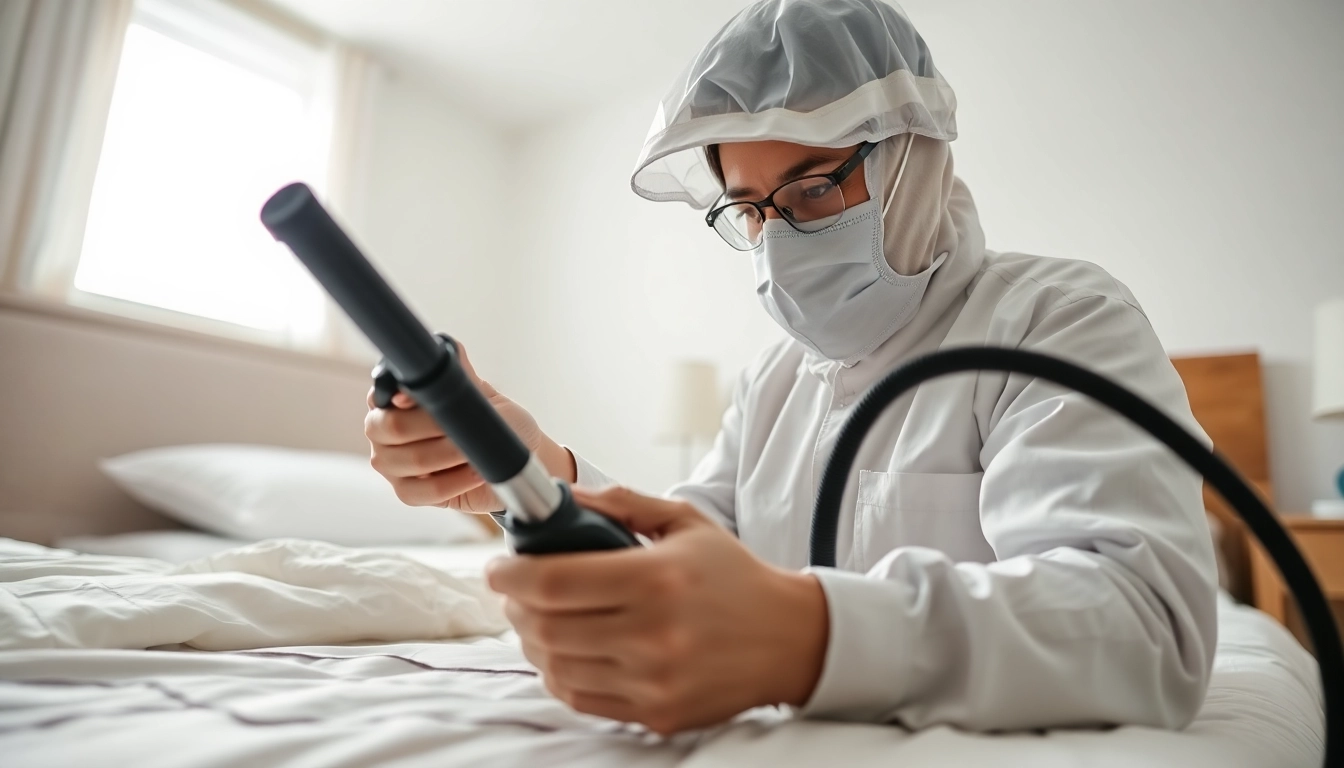
Understanding Bed Bugs
What Are Bed Bugs?
Bed bugs are small, wingless insects that feed solely on the blood of warm-blooded animals. Characterized by their reddish-brown color, flat bodies, and oval shape, they are typically about the size of a pinhead when unfed, swelling up to about the size of an apple seed after feeding. These pests are known for their resilience, making them a notorious problem in homes and establishments around the world. Their main appeal lies in their ability to remain hidden, allowing them to flourish without detection.
Signs of Infestation
Recognizing a bed bug infestation early is crucial for effective bed bug removal. Common signs include:
- Red, itchy bites: Often in clusters on exposed skin.
- Bed bug feces: Small, dark spots on bedding or surfaces.
- Molted exoskeletons: Shed skins are often found in hiding places.
- Unpleasant odor: A musty smell from bed bug secretions.
- Visible bed bugs: Adult bugs can be seen, especially at night when they feed.
Common Habitats for Bed Bugs
Bed bugs prefer places where humans sleep or spend a considerable amount of time. Common habitats include:
- Mattresses and bedding: The most frequent hiding spots.
- Cracks and crevices: Walls, furniture joints, and even within electronics.
- Suitcases: They often hitch a ride from hotels, making travel a risky endeavor.
- Under carpets or rugs: Any area where they can remain undisturbed.
Bed Bug Removal Techniques
DIY Bed Bug Removal Methods
For those opting to handle infestations independently, various DIY methods can be employed. Some notable techniques include:
- Washing and drying: Launder infested bedding and clothing on high heat settings to kill bugs and eggs.
- Vacuuming: Regularly vacuuming can help to eliminate bugs, especially on surfaces like mattresses and carpets.
- Heat treatments: Exposing infested items to temperatures above 120°F (49°C) can effectively eradicate bugs.
- Using diatomaceous earth: Sprinkling this natural insecticide in hiding spots can help dehydrate and kill bed bugs.
When to Seek Professional Help
Although DIY methods can be effective, there are situations where professional intervention is advisable. Seek help when:
- The infestation is severe or widespread.
- DIY methods have not yielded results.
- You lack the time or resources for extensive treatment.
- If you are uncertain about identifying bed bugs or other pests.
Comparing Treatment Options
When it comes to treatment for bed bugs, options can vary in approach and effectiveness. Some popular methods include:
- Chemical treatments: Pesticides specifically formulated to target bed bugs.
- Heat treatments: Professional heating equipment raises the temperature throughout infested areas to eliminate bugs.
- Cold treatments: Exposing items to freezing temperatures can kill bugs as well.
- Integrated pest management (IPM): A comprehensive approach that combines multiple methods for long-term solutions.
Preparing for Bed Bug Treatment
Steps to Take Before Treatment
Preparation is key to ensure the effectiveness of any treatment method. Key steps include:
- Decluttering: Remove excess items from the infested area to minimize hiding spots.
- Removing bedding: Wash and dry all linens and coverings at high heat.
- Informing residents: Ensure everyone in the home is aware of the situation to facilitate cooperation.
Cleaning and Decluttering
A thorough cleaning process can significantly aid in bed bug eradication. Focus on:
- Vacuuming floors and upholstered furniture thoroughly.
- Sealing vacuum bags tightly and disposing of them outside immediately after use.
- Organizing messes to reduce hiding spots for bed bugs.
Protecting Your Belongings
To prevent further infestation, consider the following protection methods:
- Encasements for mattresses and box springs will help trap bed bugs.
- Sealing cracks in walls and floors to deter movement.
- Using protective covers on electronic items to avoid contamination during cleaning.
Post-Treatment Best Practices
Maintaining a Bed Bug-Free Environment
Once bed bugs have been removed, maintaining a bug-free environment is essential. Strategies include:
- Regularly checking for signs of re-infestation.
- Keeping clutter to a minimum to reduce potential habitats.
- Consistent cleaning routines, especially around beds and sleeping areas.
Monitoring for Re-Infestation
Vigilance is key in the post-treatment phase. Stay alert for any resurgence by:
- Installing bed bug monitors and traps around your home.
- Conducting regular inspections of sleeping areas.
- Educating occupants on identifying bed bug signs early.
Using Bed Bug Precautionary Products
Several products can be used as preventive measures, such as:
- Bed bug interceptors to trap bugs before they reach mattresses.
- Essential oils with insect-repelling properties.
- Regularly treated bed bug sprays to create a defensive barrier.
Frequently Asked Questions About Bed Bug Removal
How long does bed bug removal take?
The duration of bed bug removal depends on the extent of the infestation. It typically takes one to several weeks to achieve complete eradication.
Can I treat a bed bug infestation myself?
DIY treatment is possible and can be effective but often requires a multi-faceted approach and may not suffice for severe cases. Professional help is usually recommended.
What are the costs associated with bed bug removal?
Costs can vary widely based on property size, infestation level, and treatment type, ranging from affordable DIY solutions to more intensive professional services.
How can I prevent bed bugs from returning?
Preventative measures include regular cleaning, using protective mattress covers, and being cautious when traveling to avoid bringing bed bugs back.
What does a typical bed bug treatment entail?
A comprehensive treatment plan usually includes thorough inspection, targeted pesticide application, and follow-up monitoring to ensure eradication.