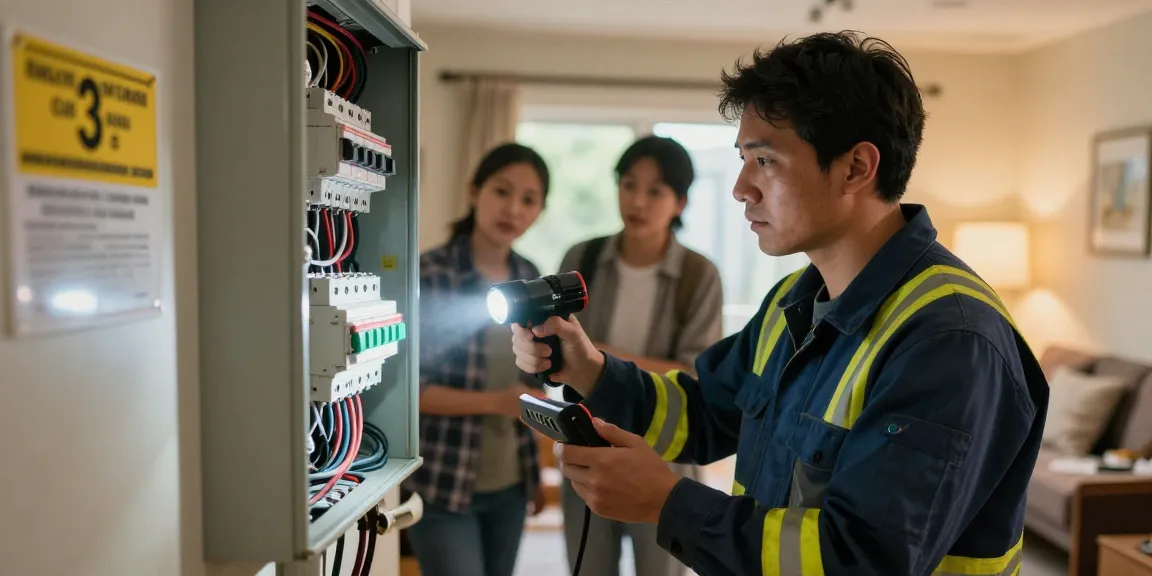
Understanding Emergency Electrical Services
In today's fast-paced world, electrical issues can arise unexpectedly, leading to potential hazards that can endanger both lives and property. Emergency electrical services play a crucial role in addressing these urgent situations promptly. Whether it's a sudden power outage, exposed wiring, or sparking outlets, knowing what constitutes an electrical emergency is vital for homeowners and businesses alike. When exploring options, see more details about how to respond effectively to these scenarios.
What Constitutes an Electrical Emergency?
An electrical emergency is typically defined by the immediate need for professional assistance to prevent damage, fire, or injury. Common indicators include:
- Power outages affecting critical systems.
- Burning smells or smoke emanating from electrical outlets or appliances.
- Sparking or buzzing noises from outlets or electrical panels.
- Tripped circuit breakers that continually reset.
- Exposed wires that pose a risk of electrocution.
Recognizing these signs is crucial, as they can escalate into severe hazards if not addressed quickly.
Common Causes of Electrical Emergencies
Understanding the root causes of electrical emergencies can help you prevent them. Common causes include:
- Faulty wiring due to age or installation errors.
- Overloaded circuits from excessive use of electrical devices.
- Weather-related incidents, such as storms affecting power lines.
- Poor maintenance of electrical systems.
- Defective appliances causing short circuits.
The Importance of Quick Response Times
In emergency situations, time is of the essence. A rapid response by a qualified electrician can mitigate risks and prevent extensive damage. Studies show that timely intervention can save homeowners significant repair costs and reduce the likelihood of personal injury. Having access to reliable emergency services ensures peace of mind, knowing that help is just a call away.
Key Qualities to Look for in an Emergency Electrician
Choosing the right emergency electrician is crucial for ensuring that you receive quality service promptly. Here are key qualities to consider:
Certifications and Licensing Requirements
Always verify that the electrician holds the necessary licenses and certifications required in your area. Licensed electricians have undergone rigorous training and are familiar with the local regulations, ensuring safe and code-compliant work. Certifications from recognized organizations can also indicate a commitment to professionalism.
Experience and Customer Reviews
Experience matters, especially in emergency situations where quick decisions are needed. Look for electricians with a proven track record and read customer reviews to gauge their reliability and quality of service. Online platforms can provide insights into previous client experiences, helping you make an informed choice.
Availability and Response Times
Emergency electricians should offer 24/7 availability since electrical issues can happen at any time. Inquire about their average response times and ensure they can reach your location quickly, as delays can exacerbate the situation.
How to Choose the Right Emergency Electrician
Selecting the right emergency electrician involves careful consideration of several factors. Here are some tips to guide you:
Evaluating Local Options
Begin by researching local electricians who offer emergency services. Local businesses can often provide quicker response times and may have a better understanding of the common electrical issues in your area. Checking their credentials and visiting their websites can help you narrow down your options.
Cost Considerations and Estimates
Emergency electrical services can vary in cost, depending on the nature of the issue and the time of day. Request estimates upfront to avoid surprise charges later. Some electricians offer flat fees for common emergency services, while others may charge by the hour. Understanding your options will help you budget for unexpected expenses.
Questions to Ask Before Hiring
Before making a final decision, ask potential electricians specific questions, such as:
- What is your response time for emergencies?
- Can you provide references from previous clients?
- Are you insured, and what does your insurance cover?
- What guarantees do you offer for your work?
Best Practices for Homeowners During an Electrical Emergency
When faced with an electrical emergency, homeowners can take proactive steps to ensure safety while awaiting professional help. Here are essential practices:
Steps to Take Before Help Arrives
Remain calm and evaluate the situation. If safe to do so, turn off the main power supply to minimize risks. Ensure that all family members are informed and are kept at a safe distance from the hazardous area. Document the situation, including taking pictures of any visible issues, as this can help the electrician diagnose the problem.
Safety Measures to Implement
Electrical safety should always come first. Avoid using water to extinguish electrical fires and do not touch electrical systems if you are unsure of their integrity. Instead, call for help immediately.
Preventative Maintenance Tips
To avoid future emergencies, implement regular electrical inspections and maintenance. Be proactive by replacing outdated wiring and ensuring that your circuit breakers function properly. Educate your family about recognizing signs of electrical problems and encourage them to report any issues promptly.
Future Trends in Emergency Electrical Services (2026 and Beyond)
The field of emergency electrical services is evolving, with new technologies and practices emerging to enhance efficiency and safety. Here are some trends to watch for:
Technology Integration in Emergency Responses
Advances in technology, including smart home systems and IoT devices, are becoming integral to emergency electrical services. These systems can detect issues early, allowing for faster response times. For example, smart smoke detectors can alert you immediately to potential electrical fires.
Emerging Tools and Techniques
Innovative tools, such as thermal imaging cameras, are now used in emergency diagnostics to identify potential hazards without invasive procedures. These tools allow electricians to address issues before they escalate into emergencies, improving safety and reducing downtime.
The Impact of Regulatory Changes on the Industry
As electrical safety standards evolve, electricians must stay informed about regulatory changes. Compliance will continue to play a significant role in how emergency services are delivered, ensuring higher standards of safety and reliability.
What should you do if you have an electrical emergency?
If you encounter an electrical emergency, prioritize safety by disconnecting power and vacating the area if necessary. Contact a certified emergency electrician immediately to assess and address the issue professionally.
How do I find a reliable emergency electrician?
Seek recommendations from friends or family, check online reviews, and verify credentials before hiring an emergency electrician. A reliable electrician should be licensed and have positive feedback from previous clients.
What are the costs associated with emergency electrical services?
Costs vary based on the nature of the emergency, time of day, and the electrician's pricing structure. Expect to pay a premium during late-night or weekend emergencies, so inquire about estimates beforehand.
What signs indicate I have an electrical emergency?
Indicators of an emergency include flickering lights, burning smells, tripped breakers, or noticeable sparks. If you experience any of these signs, seek help immediately.
How can I prevent electrical emergencies in my home?
Regular maintenance, proper usage of electrical devices, and immediate reporting of any strange occurrences can significantly reduce the risk of electrical emergencies in your home.