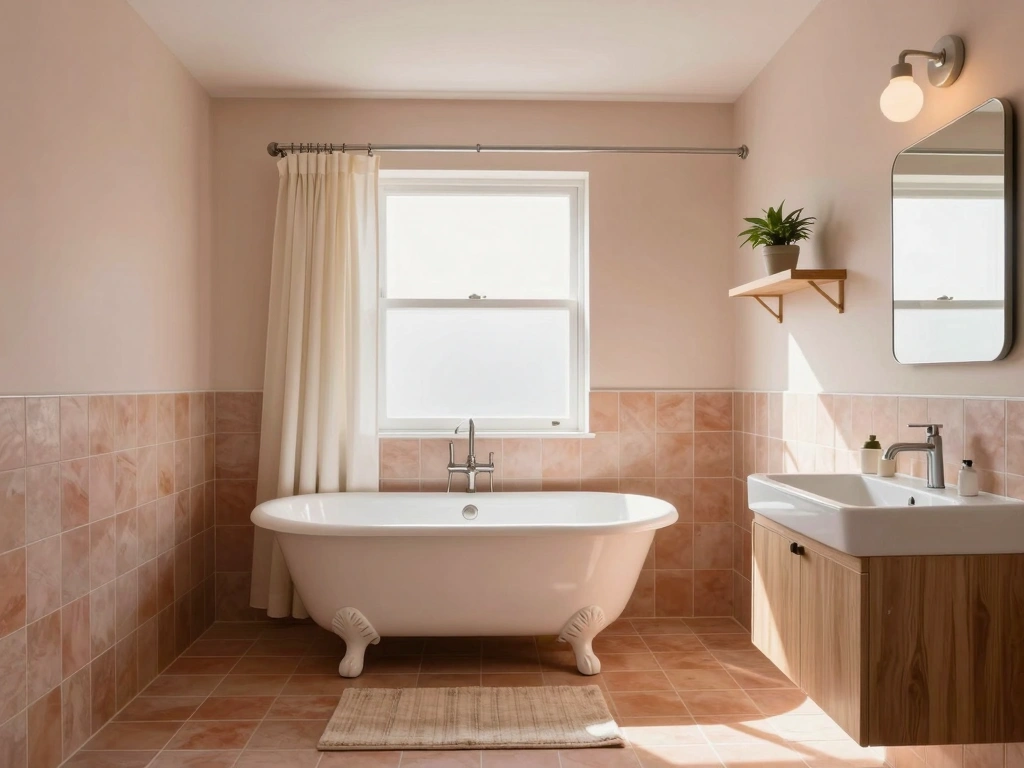
Understanding Eco Friendly Painters
What Defines Eco Friendly Painters?
Eco friendly painters are professionals who use environmentally sustainable practices in their work. Their commitment goes beyond simply applying coats of paint; they focus on reducing harmful emissions, using non-toxic materials, and promoting sustainability within the painting industry. This dedication not only contributes to the health of the planet but also ensures healthier indoor environments. When considering home or commercial space renovations, choosing eco friendly painters can significantly reduce your ecological footprint.
Benefits of Choosing Eco Friendly Painters
Selecting eco friendly painters offers myriad advantages. One of the most notable benefits is the impact on health. Traditional paints often contain volatile organic compounds (VOCs), which can lead to health issues when inhaled over time. In contrast, eco friendly paints release fewer harmful chemicals into the air. This results in improved air quality, making your home or workplace a healthier environment.
Moreover, eco friendly practices help in conserving natural resources and minimizing waste. By utilizing sustainable methods, these painters often practice recycling and responsible waste disposal, significantly reducing landfill contributions. In addition, customers can enjoy peace of mind knowing their aesthetic choices are also contributing positively to the environment, aligning with personal values related to sustainability.
Common Techniques Used by Eco Friendly Painters
Eco friendly painters employ various techniques to ensure their work minimizes negative impacts on the environment. One common approach is selecting low-impact paints and finishes, which often have lower VOC levels and are made from natural or recycled materials. These paints may utilize plant-based resins and colors derived from minerals, offering safe options without compromising quality.
Furthermore, eco friendly painters often utilize efficient application methods to minimize waste. Techniques such as precision spraying or roller applications can reduce excess product usage. They may also promote the use of restorative techniques instead of complete repainting, which saves on resources and energy.
The Importance of Environmentally Safe Materials
Types of Non-Toxic Paints
One of the cornerstones of eco friendly painting is the use of non-toxic paints. These products fall into a few categories, including:
- Natural Paints: Made from organic materials, these paints do not contain synthetic chemicals, making them safe for both occupants and the environment.
- No-VOC Paints: These paints contain little to no volatile organic compounds, reducing indoor air pollution dramatically.
- Low VOC Paints: While not completely void of VOCs, these options contain significantly reduced levels, thus minimizing their impact.
Impact on Health and the Environment
The impact of using eco friendly materials is profound. On a health level, reducing exposure to VOCs lowers the risks of respiratory issues, neurological effects, and other latently harmful conditions. Beyond immediate health benefits, continual exposure to toxic substances can lead to chronic health problems over time. Environmentally, utilizing non-toxic paints promotes cleaner soil and water by minimizing the risk of chemical runoff from traditional paints.
How to Identify Quality Eco Friendly Products
To ensure that you are selecting high-quality eco friendly materials, look for certifications from recognized organizations such as Green Seal or the Environmental Protection Agency's (EPA) Safer Choice program. These labels signify that products have undergone rigorous testing and meet specific environmental standards. Conducting research and reading product reviews can also be instrumental in making informed selections.
Finding Qualified Eco Friendly Painters
Tips for Hiring Eco Friendly Painters
When searching for a qualified eco friendly painter, it’s essential to take the following steps:
- Check Credentials: Verify that the painter has relevant licenses and certifications specifically related to eco-friendly practices.
- Seek Recommendations: Personal testimonials can provide insights into the painter's reliability and quality of work.
- Review Portfolio: Inspect past projects to determine if their work aligns with your vision and eco-friendly standards.
Questions to Ask Potential Painters
To gauge the potential effectiveness and commitment of eco friendly painters, consider asking these questions:
- What types of eco-friendly materials do you recommend?
- Do you have experience with specific non-toxic paints?
- Can you provide references from past eco-friendly projects?
Evaluating Painter Credentials
When examining a painter's credentials, it's crucial to ensure that they have undergone training specific to eco friendly practices. Certifications from environmental programs or continuing education courses focused on sustainability can be essential indicators of a painter’s commitment to eco-friendly methodologies. Additionally, reviewing feedback from previous clients can help assess their proficiency and dedication to high standards.
Eco Friendly Painters and Project Planning
Steps to Plan an Eco Friendly Painting Project
Planning an eco friendly painting project involves several key steps:
- Assessment: Evaluate the current state of surfaces to determine necessary preparations.
- Material Selection: Collaborate with your painter to choose sustainable paints and tools.
- Timeline Establishment: Define a realistic timeframe that accommodates drying and curing times for eco-friendly products.
Budgeting for Eco Friendly Services
Budgeting for eco friendly painting requires careful consideration. Initially, non-toxic paints may seem more expensive than their traditional counterparts. However, by evaluating long-term savings—such as reduced health costs and increased durability—you can justify the investment. Additionally, obtaining multiple quotes can help you find a balance between eco-friendly practices and cost.
Scheduling and Time Management Tips
Efficient scheduling is crucial for eco friendly projects as many non-toxic paints have extended drying times. Plan accordingly to incorporate overlaps with other renovations or landscaping to maximize time efficiency. Using experienced painters can help streamline the process and ensure a smooth transition between tasks to minimize delays.
Success Stories and Case Studies
Residential Projects with Eco Friendly Painters
Many homeowners have successfully utilized eco friendly painters to create beautiful, sustainable spaces. A notable example includes a family who remodeled their home using natural paints and sustainable practices. The results not only enhanced their interior but also provided substantial health benefits, as their indoor air quality improved significantly.
Commercial Success Stories
Businesses have also recognized the advantages of hiring eco friendly painters. A local office building implemented green painting practices, resulting in a significant reduction in employee absenteeism related to poor air quality. This tangible enhancement in employee health underscores the value of sustainable choices in commercial environments.
Measuring the Impact of Eco Friendly Choices
Measuring the impact of selecting eco friendly painters can be done qualitatively and quantitatively. Collecting feedback from occupants about air quality and health improvements can provide anecdotal evidence. Similarly, assessing financial metrics, such as reduced maintenance costs or energy savings due to improved insulation and lower emissions from paint, can showcase the long-term benefits of these eco-friendly practices.
Frequently Asked Questions
What are the benefits of using eco friendly painters?
Eco friendly painters improve indoor air quality, reduce health risks, and utilize sustainable materials, contributing to a healthier home and environment.
How can I identify eco friendly paint?
Look for labels from certifying bodies like Green Seal or EPA's Safer Choice program, which signify that the product meets eco-friendly standards.
Are eco friendly paints more expensive?
While they may have a higher upfront cost, eco friendly paints often lead to long-term savings from reduced health issues and maintenance expenses.
Do eco friendly painters offer warranties?
Many eco friendly painters provide warranties or guarantees, ensuring that the job is done right and materials perform as promised.
Can I use eco friendly paint outdoors?
Yes, eco friendly paints are suitable for outdoor use, particularly those labeled as non-toxic and weather-resistant for exterior applications.
Contact Information
Address:Branam Brushworks LLCCall Us:+12076168892