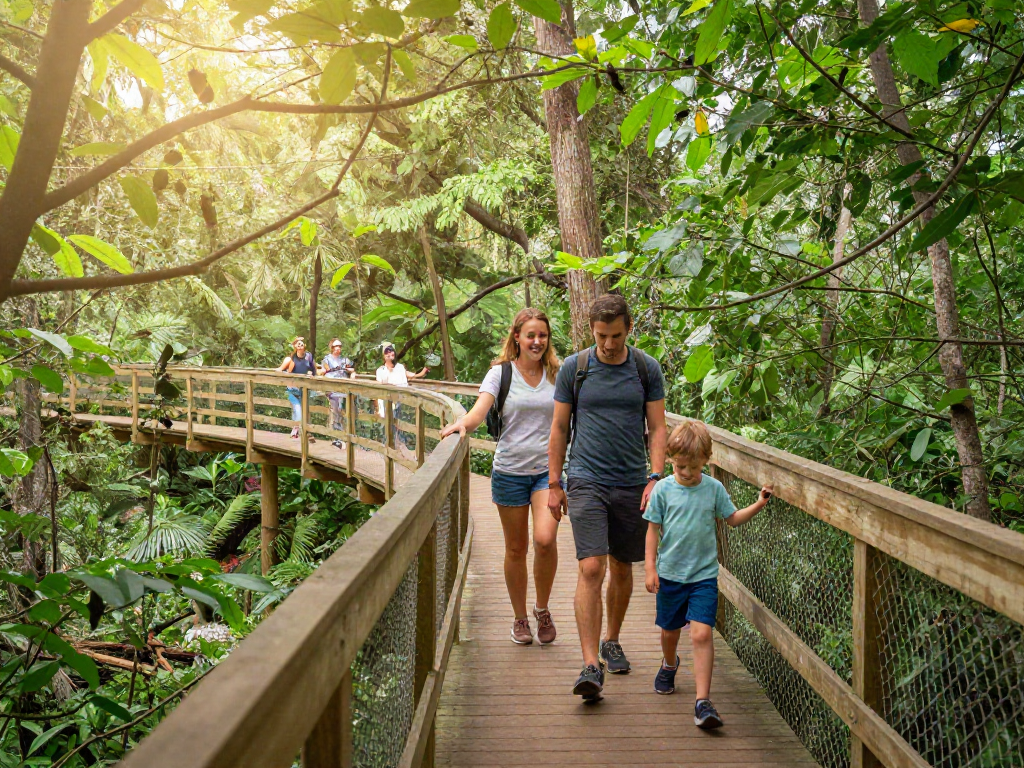
Introduction to the Treetop Walkway Experience
The allure of nature is often best experienced from a vantage point above the ground. Treetop walkways serve as a bridge between humans and the majestic canopies of trees, offering a unique perspective on the world around us. These elevated paths not only allow for immersive experiences among the treetops but also provide an opportunity to appreciate biodiversity in a way that walking on the forest floor cannot replicate. With growing awareness about conservation and eco-tourism, Treetop Walkway experiences are becoming increasingly popular, drawing in nature lovers, families, and adventure seekers alike.
What is a Treetop Walkway?
A treetop walkway is an elevated pathway designed to give visitors a panoramic view of the forest canopy. Typically constructed from durable materials such as wood or metal, these walkways vary in height and length, often reaching distances of several hundred metres and heights of over 50 feet. They are engineered to provide safe passage while minimizing disruption to the surrounding environment, allowing for seamless integration into nature.
Benefits of Visiting Treetop Walkways
Visiting a treetop walkway offers numerous advantages:
- Unique Perspective: Walking high above the ground provides a different view of the forest, revealing plant and animal life that is often overlooked from the ground.
- Physical Activity: The experience encourages visitors to engage in light physical exercise, promoting health and wellness.
- Educational Opportunities: Many installations include informative signage that educates visitors about the local ecosystem, conservation efforts, and the importance of biodiversity.
- Connecting with Nature: These walkways foster a deeper appreciation for nature, helping to cultivate a sense of stewardship for the environment.
Why Treetop Walkways are Gaining Popularity in 2026
As environmental awareness continues to rise, treetop walkways are becoming a symbol of eco-conscious tourism. They resonate particularly with families looking for educational yet entertaining activities. Furthermore, advancements in design and technology enhance the visitor experience, making them accessible to a broader audience. The integration of interactive exhibits and guided tours adds layers of engagement, ensuring guests leave with memorable, educational experiences. With the growing trend towards sustainable travel, these walkways are emerging as prime destinations around the world.
Planning Your Visit to a Treetop Walkway
Choosing the Best Treetop Walkway Locations
When selecting a treetop walkway to visit, it’s essential to consider several factors:
- Location: Look for walkways that are conveniently located to your travel itinerary. Popular options include Kew Gardens in the UK and the Murch Canopy Walk in Ohio, USA.
- Length and Height: Consider how daring you are; some walkways offer stunning views from great heights, while others are more subdued.
- Accessibility: Ensure the walkway is accessible for all visitors, including those with mobility challenges, as some locations prioritize inclusivity.
- Additional Attractions: Some sites offer more than just the walkway—explore nearby attractions such as nature trails, educational centres, or picnic areas.
Essential Gear and Preparation for Your Adventure
While treetop walkways are meant to be safe, some preparation can enhance your experience:
- Comfortable Footwear: Wear sturdy shoes suitable for walking on wooden or metal surfaces.
- Appropriate Clothing: Dress in layers to accommodate fluctuating temperatures, especially in the morning or evening.
- Camera or Smartphone: Capture the breathtaking views, but ensure it’s secured to avoid losing your device over the edge.
- Water and Snacks: Staying hydrated and having energy-packed snacks will keep you refreshed during your adventure.
Best Times to Visit for Optimal Experience
Timing your visit can significantly impact your experience:
- Early Morning or Late Afternoon: Visiting during these times offers cooler temperatures and fewer crowds, allowing for a more intimate experience.
- Spring and Autumn: These seasons provide beautiful scenery, with flowers blooming in spring and vibrant foliage in autumn, adding to the aesthetic of the walk.
- Weather Considerations: Check the weather in advance, as heavy rain can lead to cancellation of treetop walks for safety reasons.
What to Expect While Walking the Treetop Walkway
Immersive Nature Encounters
During your walk, expect to encounter various wildlife, including birds, squirrels, and perhaps even deer at the base of the trees. The soundscape—comprising rustling leaves, chirping birds, and distant animal calls—transports you into a tranquil world. Many walkways feature lookout points equipped with binoculars, enhancing your ability to observe wildlife without disturbing their habitat.
Safety Measures on Treetop Walkways
Safety is paramount, and most treetop walkways are designed with it in mind:
- Guardrails: Elevated walkways typically feature sturdy guardrails to prevent accidental falls.
- Regular Maintenance: Operators routinely inspect and maintain walkways to ensure they are structurally sound and safe for visitors.
- Guided Tours: Some locations offer guided tours to provide safety instructions and enrich the experience with expert knowledge.
Photography Tips for Capturing Your Journey
To make the most of your photography experience, consider the following tips:
- Golden Hour: Early morning and late afternoon light create softer shadows and beautiful hues.
- Composition: Use leading lines, such as the edge of the walkway, to draw the viewer's eye into the photograph.
- Include Nature: Frame shots that incorporate both the walkway and the surrounding nature for contextual storytelling.
Unique Features of Popular Treetop Walkways
Highlighting Notable Treetop Walkways Around the World
Several treetop walkways around the globe offer unique experiences:
- Kew Gardens Treetop Walkway (UK): This 18-metre high walkway allows visitors to explore the canopy of historic oak and sweet chestnut trees.
- Wild Walk (USA): Located in the Adirondacks, this walk features a series of bridges and treehouses, including interactive installations.
- Valley of the Giants (Australia): This stunning walkway takes you 40 metres into a forest of unique tingle trees, offering incredible views.
Eco-Friendly Practices and Conservation Efforts
Many treetop walkways actively contribute to conservation efforts:
- Environmentally Friendly Materials: Walkways are often constructed from sustainably sourced wood and materials that blend into the forest.
- Reforestation Initiatives: Some operators partner with conservation organisations to plant trees for each visitor.
- Educational Programs: Walkways frequently host workshops and talks focused on conservation, encouraging visitors to engage with and support local ecosystems.
Integrating Educational Experiences into Your Visit
Enhanced educational experiences enrich visits to treetop walkways:
- Informational Signage: Many walkways include plaques and digital displays explaining the flora and fauna in the area.
- Guided Nature Tours: Expert-led tours can deepen understanding of ecological relationships, tree growth, and wildlife behaviour.
- Workshops for All Ages: Family-friendly activities provide hands-on learning about the environment.
The Future of Treetop Walkways: Trends and Predictions
Innovative Designs and Experiences on the Horizon
As interest in treetop walkways continues to grow, innovative designs are emerging. Future walkways may feature:
- Suspended Platforms: New engineering techniques could lead to floating structures that enhance the feeling of being amidst the trees.
- Multi-Sensory Experiences: Integrating sound installations or augmented reality could provide immersive storytelling about the ecosystem.
- Expanded Accessibility: Ongoing efforts will likely focus on making treetop walkways accessible to everyone, including those with mobility challenges.
The Role of Technology in Enhancing Visitor Experience
Technology plays a crucial role in modern treetop walkways:
- Interactive Apps: Many locations now offer apps that provide detailed maps, information, and augmented reality features to enhance the visitor experience.
- Real-Time Weather Updates: Technology can assist visitors in making informed decisions about their visit, ensuring safety and comfort.
- Feedback Systems: Enhanced visitor feedback mechanisms help operators improve services and experiences continually.
Impact of Treetop Walkways on Local Communities
Treetop walkways are not just about nature; they also contribute significantly to local economies:
- Tourism Revenue: Increased foot traffic can benefit surrounding businesses, such as hotels and restaurants, creating a positive economic impact.
- Community Engagement: Local communities often participate in the upkeep of these natural attractions, fostering a sense of ownership and pride.
- Job Creation: The construction and maintenance of walkways create jobs, boosting local employment.
How much does a Treetop Walkway cost?
The cost to access treetop walkways varies by location. Some may charge a modest entrance fee, while others may offer free access. Additional costs could include guided tours, which often provide a richer experience. It's wise to check ahead for any special discounts or family packages.
Are Treetop Walkways suitable for children?
Most treetop walkways cater to families, featuring safety measures designed for children, such as guardrails and supervised access. However, age restrictions may apply at certain locations, so checking in advance is recommended.
What wildlife can you expect to see on a Treetop Walkway?
Visitors can typically expect to see a variety of birds, insects, and occasionally mammals. The higher vantage point allows for unique sightings that can change with the seasons, making each visit a new experience.
How long does a typical Treetop Walkway take to complete?
The time required to explore a treetop walkway varies by location and visitor pace. On average, a complete walk can take between 30 minutes to an hour, not accounting for time spent on photography or educational activities along the way.
What clothing is best for navigating Treetop Walkways?
Comfortable, weather-appropriate clothing is ideal. Opt for lightweight materials that allow for easy movement, and consider wearing layers to accommodate changing temperatures, especially in elevated areas.