Introduction to Delta Wine Grapes California
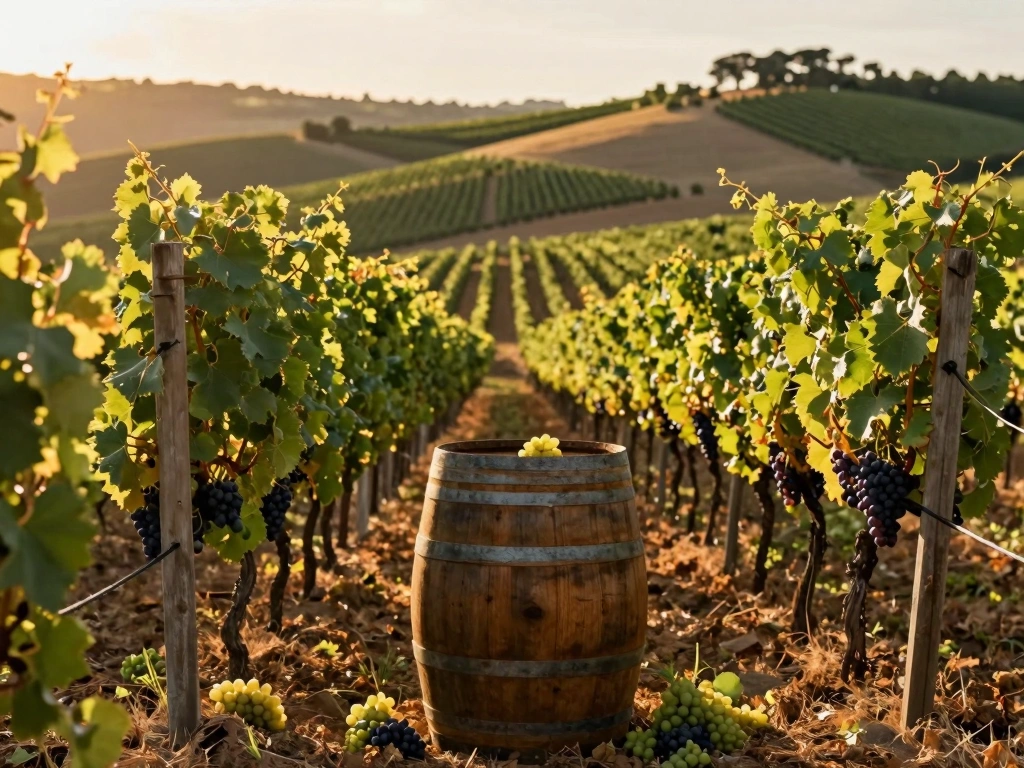
California's Delta region has steadily gained recognition for its vibrant wine industry, particularly for the diverse range of grapes cultivated in its fertile lands. Among these, delta wine grapes california stand out for their unique flavor profiles and adaptability to the local climate. This article delves into the intricate details of the Delta's terroir, popular varietals, viticulture practices, tasting experiences, and market trends, providing a thorough understanding of this burgeoning wine region.
Overview of the Delta Region
The California Delta, an extensive inland estuary located in the heart of Northern California, is characterized by rich loamy soils and a Mediterranean climate. Stretching from San Francisco Bay to the Sacramento River, the region is made up of a series of islands and waterways, creating a unique ecosystem that is ideal for viticulture. The Delta's geography contributes to temperate days and cool nights, allowing grapes to ripen thoroughly while preserving their acidity—a critical factor for high-quality wine production.
Historical Significance of Grape Cultivation
Grape cultivation in the Delta dates back to the mid-19th century, influenced by the influx of settlers during the Gold Rush. Early pioneers quickly recognized the potential of the region's soil and climate, planting a variety of grapes that would eventually define California's wine industry. Over the years, the area has evolved into a hub for both traditional and innovative viticulture, establishing a rich tapestry of wine heritage that appeals to both connoisseurs and casual wine drinkers.
Impact of Climate on Grape Quality
The climate in the Delta plays a pivotal role in the quality of wine grapes produced. The region benefits from warm days that promote the development of sugars in grapes, while cooler evenings help maintain acidity. This diurnal temperature shift is essential for creating well-balanced wines, enabling varieties such as Chardonnay and Zinfandel to flourish. Additionally, the Delta's unique microclimates allow for the growing of over 35 grape varietals, making it one of California's most diverse wine regions.
Key Varietals of Delta Wine Grapes California
Popular Red Wine Varietals
In the Delta region, several red wine varietals stand out for their exceptional quality:
- Zinfandel: Often hailed as California's signature grape, Zinfandel thrives in the Delta's nutrient-rich soil. The resulting wines are typically fruit-forward with jammy flavors and peppery notes.
- Cabernet Sauvignon: Known for its full-bodied structure, Delta Cabernet Sauvignon is celebrated for its deep berry flavors, balanced tannins, and aging potential.
- Merlot: This varietal produces softer, more approachable wines, characterized by plum and cherry flavors, making it a favorite among a wide range of wine drinkers.
Notable White Wine Varietals
The white wines of the Delta are equally impressive, showcasing a variety of flavors and styles:
- Chardonnay: One of the most planted white grapes in the world, Delta Chardonnay exhibits a range of profiles from crisp and mineral to rich and buttery, depending on the vinification style.
- Sauvignon Blanc: This grape thrives in the Delta, producing aromatic wines with grassy notes and citrus flavors, making it refreshing and versatile for food pairings.
- Chenin Blanc: Known for its high acidity and versatility, Chenin Blanc can range from dry to sweet, often displaying floral and honeysuckle aromas.
Emerging Hybrid Varietals
As the industry evolves, winemakers in the Delta are experimenting with hybrid varietals that offer resilience and complexity. Notable hybrids include:
- Petite Sirah: A cross between Syrah and Peloursin, this varietal showcases bold flavors and deep color, producing wines with substantial tannins.
- Alicante Bouschet: Renowned for its rich color and fruit intensity, this grape adds boldness and complexity to blend wines.
- Grüner Veltliner: A white hybrid gaining popularity, noted for its peppery spice and zesty acidity, offering a unique profile in the Delta.
Viticulture Practices in Delta Wine Grapes California
Organic and Sustainable Farming Methods
As consumers become increasingly aware of environmental issues, Delta winemakers are adopting organic and sustainable farming practices. This shift includes using natural yeast for fermentation, implementing cover cropping to improve soil health, and utilizing integrated pest management to minimize chemical inputs. These practices not only promote biodiversity but also enhance the quality of the grapes, resulting in wines that reflect the true character of the Delta terroir.
Effects of Soil and Irrigation Techniques
The soil composition in the Delta—primarily alluvial and clay-based—provides an excellent foundation for growing premium wine grapes. The Delta's winemakers often use targeted irrigation strategies to maintain soil moisture without over-saturating the roots. Techniques such as drip irrigation allow for precise water management, ensuring each varietal receives the appropriate amount of moisture for optimal growth and flavor development.
Harvesting and Winemaking Processes
Harvesting typically occurs from late summer to early fall, depending on the varietal and desired ripeness. Hand-picking is common in the Delta to ensure only the best grapes are selected, which ultimately contributes to higher wine quality. The winemaking process combines traditional techniques with innovative approaches, such as aging in stainless steel versus oak barrels, to develop distinct flavor profiles. Each winery has its own unique methodology, enhancing the diversity of wines produced in the region.
Tasting and Pairing Delta Wine Grapes California
Best Food Pairings for Red and White Wines
Tasting the wines from the Delta region is an experience in itself, particularly when paired with complementary foods. Red wines like Zinfandel and Cabernet Sauvignon are well-suited to robust dishes such as grilled meats, barbecue, or hearty pasta. In contrast, white varietals like Sauvignon Blanc and Chardonnay pair excellently with seafood, salads, and lighter fare. The ability to match food with the right wine enhances both the dining experience and the flavors found in each glass.
Guidelines for Wine Tasting Events
To fully appreciate the richness of Delta wines, engaging in wine tasting events is highly recommended. Here are some guidelines to enhance your experience:
- Start with whites and move to reds, allowing your palate to acclimate.
- Take note of the wine's appearance, aroma, and flavor profile before tasting.
- Consider hosting a themed tasting with food pairings to fully explore the wines.
Local Wineries and Tasting Rooms
The Delta region is dotted with numerous wineries and tasting rooms offering unique experiences. Visiting these establishments not only allows for sampling exquisite wines but also provides insight into the winemaking process. Many wineries host events throughout the year, including harvest celebrations and wine education workshops, making them essential stops for wine enthusiasts.
Market Trends and Future Outlook for Delta Wine Grapes California
Consumer Preferences and Pricing Trends
The wine market continues to evolve, with consumers gravitating towards organic and sustainably-produced wines. This shift in preference drives the pricing trends in the Delta and across California, where premium wines now often come with a sustainably-conscious marketing approach. Understanding these trends is essential for wineries to appeal to modern consumers while maintaining profitability.
The Role of Tourism in Wine Sales
Tourism plays a crucial role in the economy of the Delta wine region. Wine trails and events attract visitors eager to experience local wines first-hand. As wine tourism grows, it is important for wineries to enhance visitor engagement through tastings, tours, and educational experiences. This not only boosts sales but also builds brand loyalty among consumers.
Innovations in the Wine Industry
Continued innovation in the wine industry is integral to maintaining competitiveness. In the Delta, the embrace of technology—such as precision viticulture and data analysis for monitoring vineyard health—is transforming winemaking. Sustainable practices, new varietals, and interactive tasting experiences are paving the way for a dynamic future, ensuring the Delta remains at the forefront of California's wine industry.
Frequently Asked Questions
What types of grapes are primarily grown in the Delta region?
The Delta is known for a wide variety of grapes, including Zinfandel, Cabernet Sauvignon, Chardonnay, and Sauvignon Blanc, among others.
Are there organic vineyards in the Delta?
Yes, many vineyards in the Delta are adopting organic and sustainable practices, enhancing both grape quality and environmental sustainability.
What is the best time to visit Delta wineries?
The best time to visit is during the harvest season, typically from late summer to early fall, when many wineries host special events and tastings.
How can I best pair food with Delta wines?
Red wines like Zinfandel pair well with grilled meats, while whites like Sauvignon Blanc complement seafood and lighter dishes for the best experience.
Can I find tasting rooms in the Delta region?
Yes, there are numerous wineries and tasting rooms throughout the Delta, offering unique tastes and experiences to visitors.