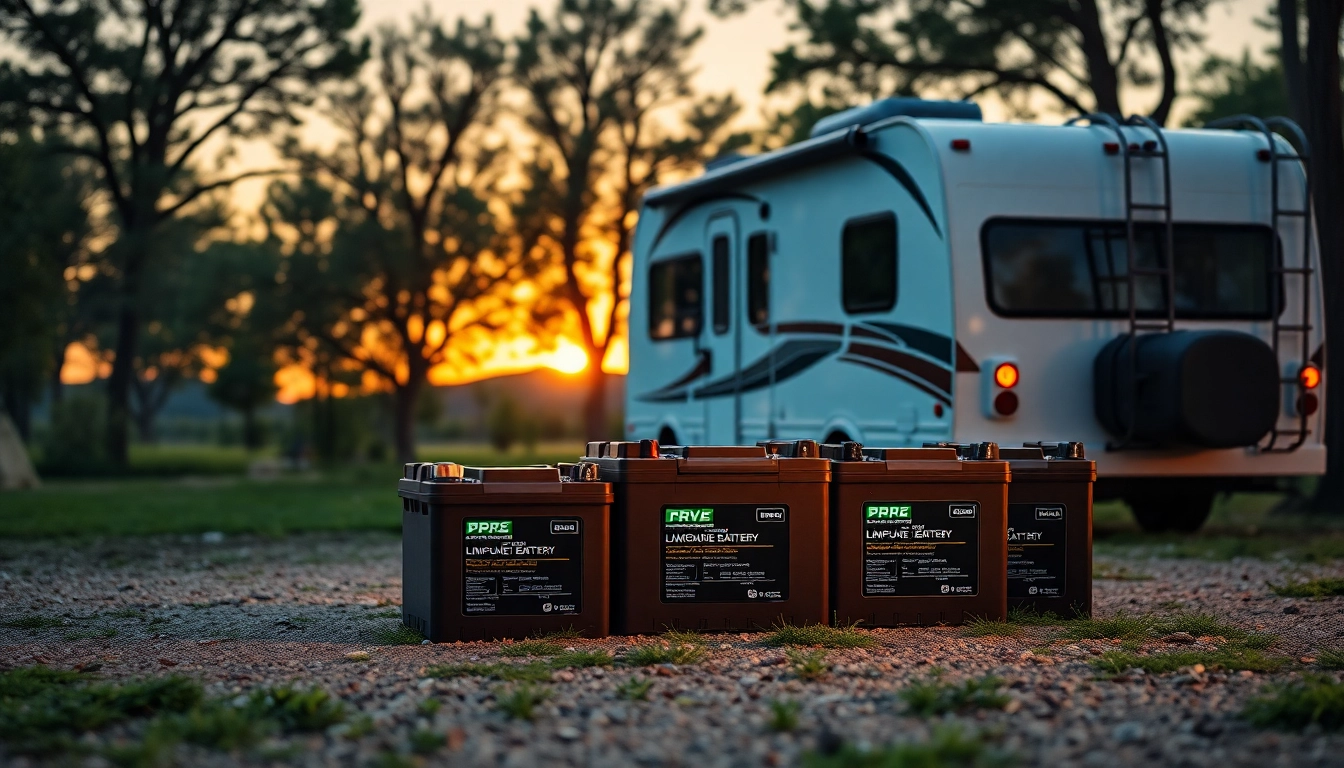
Understanding Lithium RV Batteries
What Are Lithium RV Batteries?
Lithium RV batteries are energy storage devices specifically designed for use in recreational vehicles (RVs). They utilize lithium iron phosphate (LiFePO4) technology, which provides a lightweight alternative to traditional lead-acid batteries. These batteries are characterized by their long life cycle, high energy density, and ability to sustain a higher discharge rate. Lithium RV batteries come in various voltages and capacities, catering to different power needs of RVing enthusiasts.
Key Advantages of Lithium RV Batteries
The shift towards lithium RV batteries is largely due to several compelling advantages:
- Longer Lifespan: Lithium batteries typically last for 10 years or more with proper maintenance, compared to 3-5 years for lead-acid batteries.
- Faster Charging: They charge significantly faster, needing only 1-3 hours for a full charge, which is a fraction of the time required by lead-acid batteries.
- Higher Depth of Discharge: Lithium batteries can be discharged to about 80-90% of their capacity without damage, whereas lead-acid should not be discharged below 50%.
- Weight Savings: They are much lighter than lead-acid batteries, which benefits overall vehicle weight and fuel efficiency.
- Better Performance in Extreme Conditions: Lithium batteries perform better in colder climates, maintaining power output without significant loss.
Common Misconceptions About Lithium RV Batteries
Despite their growing popularity, there are some misconceptions surrounding lithium RV batteries:
- Cost: While they may have a higher upfront cost, their longevity and performance make them more cost-effective over time.
- Sensitivity: Some think lithium batteries are overly sensitive; however, modern batteries include management systems to prevent overcharging and overheating.
- Incompatibility: Many believe lithium batteries can't replace lead-acid batteries in their RVs, but with the right setup, they can serve as replacements without major modifications.
Choosing the Right Lithium RV Batteries for Your Needs
Factors to Consider When Buying Lithium RV Batteries
When selecting Vatrer Power lithium RV batteries, several factors need to be considered:
- Capacity: Measured in amp-hours (Ah), choose a battery that fits your power needs. For example, a larger RV may require 200Ah or more.
- Voltage Compatibility: Ensure the battery matches the voltage requirements of your RV system, commonly available in 12V, 24V, or 48V configurations.
- Weight: Consider overall weight, especially if your RV has weight limitations. Lithium batteries are often lighter, impacting the vehicle's handling.
- Cycle Life: Look for batteries with a high cycle life, typically over 4000 cycles at 80% depth of discharge for optimal performance.
- Battery Management System (BMS): A BMS enhances safety and longevity by managing battery charging and discharging processes.
Comparing Lithium RV Batteries to Other Options
It’s crucial to understand how lithium batteries stack up against other battery types: Lead-Acid Batteries: Lead-acid batteries are heavier, have a limited cycle life, and require maintenance (water refilling, equalization). On the other hand, lithium batteries are maintenance-free, lighter, and last longer. AGM Batteries: Absorbent Glass Mat (AGM) batteries are a sealed lead-acid option that offers a longer lifespan than traditional lead-acid and no maintenance. However, they still fall short compared to lithium in longevity and faster charging capabilities.
Budgeting for Your Lithium RV Batteries
When budgeting for 12V 300Ah Lithium Battery, consider the initial investment along with potential long-term savings. While the upfront cost is higher, the longer lifespan and lower maintenance costs lead to savings over time. Additionally, factor in installation costs and additional equipment that may be needed, such as adaptive chargers or battery management systems. Researching and comparing prices across different suppliers could provide better deals while ensuring quality and reliability.
Installation and Maintenance of Lithium RV Batteries
How to Properly Install Lithium RV Batteries
Installation of lithium RV batteries can be straightforward, especially when following these guidelines:
- Safety First: Ensure you wear protective gear and work in a well-ventilated area.
- Disconnect Power: Always disconnect the RV from shore power and turn off any electronic devices.
- Connect Wires: Connect the battery terminals correctly, following positive to positive and negative to negative. Use good quality cables to minimize resistance.
- Install a Battery Management System: If your battery doesn’t have an integrated BMS, consider installing one to monitor battery health and performance.
- Test Systems: Once installed, test your system to ensure everything is functioning correctly before hitting the road.
Maintenance Tips for Long-lasting Performance
Maintaining lithium RV batteries is crucial for ensuring longevity and optimal performance:
- Regularly Check Voltage: Monitor the voltage to ensure your batteries are sufficiently charged without being overcharged.
- Avoid Deep Discharge: Try not to discharge below 20% to prolong battery life.
- Keep Clean: Ensure battery terminals are free of corrosion and dirt for better conductivity.
- Temperature Monitoring: Store and use batteries within their recommended temperature range to avoid damage.
Common Issues and Troubleshooting Lithium RV Batteries
Even with proper installation and maintenance, users may encounter issues: Battery Not Charging: Check the connections and ensure the charger is compatible with lithium technology. For advanced troubleshooting, consult the user manual or a qualified technician. Low Voltage Alerts: This might indicate that the battery charge is low; consider recharging or checking for any parasitic drains within your RV. Overheating: If batteries are overheating, verify the installation setup, and ensure the area has adequate ventilation.
Maximizing Efficiency with Lithium RV Batteries
Optimizing Energy Use in Your RV
Efficiency in utilizing battery power can enhance your RV experience significantly:
- Smart Appliances: Use energy-efficient appliances that draw less power to extend battery life.
- Energy Monitoring Systems: Implement systems that provide real-time energy usage, allowing you to adjust usage patterns.
- LED Lighting: Switch to LED lighting, which consumes significantly less energy compared to traditional incandescent bulbs.
Smart Technologies Complementing Lithium RV Batteries
Many technologies can enhance the efficiency of lithium RV batteries:
- Battery Management Systems: Advanced BMS can optimize charge and discharge cycles, improving efficiency and prolonging battery life.
- Solar Charge Controllers: Proper solar management can ensure that lithium batteries are charged efficiently by regulating the amount of solar energy being stored.
- Mobile Apps: Various apps can track battery status, usage patterns, and charging rates, providing useful insights for RV users.
Using Solar Power with Lithium RV Batteries
Integrating solar energy into your RV setup maximizes the utility of lithium RV batteries: By installing solar panels, the energy harvested can be efficiently stored in lithium batteries. This setup allows for off-grid camping and extended trips into nature without the need for traditional charging methods. Ensure your solar setup is correctly sized to meet your energy demands, factoring in daily usage and sunlight availability. Pairing solar with lithium technology not only improves sustainability but also provides a continuous power source for essential appliances.
Frequently Asked Questions About Lithium RV Batteries
Are lithium RV batteries worth the investment?
Yes, for frequent RV users, lithium batteries provide long-term savings with their extended lifespan and reduced need for maintenance, which outweighs initial costs.
How do I maintain my lithium RV batteries?
Regularly check voltage levels, ensure they aren’t deep cycled below 20%, maintain clean terminals, and monitor temperature ranges to prolong battery life.
Can lithium RV batteries be charged with solar power?
Absolutely! Lithium RV batteries are compatible with solar charging systems that are properly configured, providing an eco-friendly power solution.
What is the lifespan of lithium RV batteries?
Typically, lithium RV batteries can last between 10 to 15 years, depending on usage, depth of discharge, and maintenance practices.
Are lithium RV batteries safe for use?
Yes, lithium batteries have many built-in safety features, including thermal management and protection circuits, minimizing risks associated with overheating or explosions when used correctly.