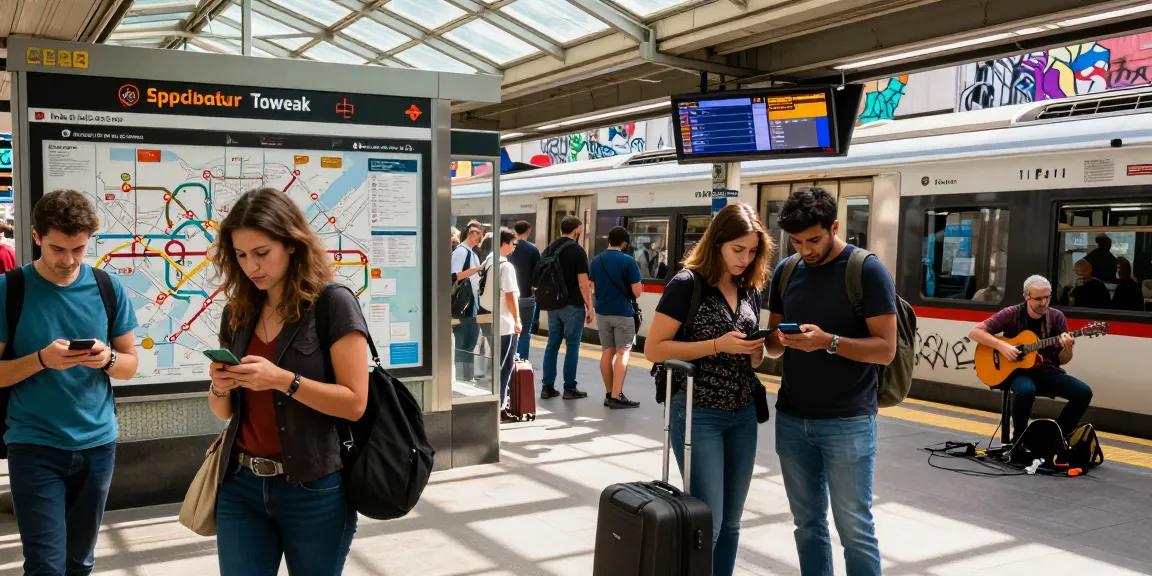
Understanding the Train Tracker Landscape
In today's fast-paced urban environment, efficient public transportation is more essential than ever. One of the key innovations enhancing this experience is the train tracker. This technology leverages real-time data to provide commuters with accurate, timely information about train arrivals and service conditions. By bridging the gap between traditional scheduling systems and modern technology, train trackers have revolutionized how people navigate city transit systems, ensuring that they can plan their journeys with confidence.
What is a Train Tracker and How Does it Work?
A train tracker is essentially a digital tool or application that provides real-time information about subway and train arrivals. By utilizing the General Transit Feed Specification (GTFS) and GTFS-Realtime (GTFS-RT), it aggregates live data from transit agencies. This enables users to see when trains are arriving at their local stations and to receive alerts about delays or service changes. The underlying technology pulls data from agency feeds every 30 seconds, updating users with trip updates, vehicle positions, and service alerts, ensuring that the information is as current as possible.
The Importance of Real-Time Data in Public Transport
Real-time data is fundamental in today’s public transport systems. It enhances operational efficiency, improves commuter satisfaction, and reduces anxiety associated with waiting for trains. The availability of accurate and timely information allows transit agencies to better manage fleets and provide services that meet the demands of the public. Commuters benefit from this data as it allows for informed decision-making, reducing wait times and enhancing overall travel experiences.
Key Features of Effective Train Tracking Systems
- Real-Time Updates: The immediate reflection of train schedules and positions enhances commuter trust and reliability.
- User-Friendly Interface: A clean, intuitive design allows users to navigate the app effortlessly.
- Custom Alerts: Notifications tailored to users’ specific routes and preferences help in managing unexpected delays.
- Integration with Other Services: Seamless transitions between different modes of transport are essential for modern commuters.
- Accessibility Features: Enhanced accessibility for disabled users ensures inclusivity within public transit.
Benefits of Using a Train Tracker for Commuters
Time-Saving Advantages: Getting to Your Destination Faster
Using a train tracker allows commuters to save significant time. By providing accurate arrival times and service updates, these tools help individuals avoid unnecessary waits at stations. This efficiency translates into shorter overall travel times and less frustration, especially for people with tight schedules. Moreover, such tools can suggest alternative routes if delays occur, giving users the power to adapt on the fly.
Enhanced Safety: Real-Time Updates on Service Interruptions
Safety is paramount when it comes to public transportation. Train trackers enhance safety by providing real-time updates on service interruptions or emergencies. Commuters are kept informed about any alerts or changes to their travel plans, which is particularly important during adverse weather conditions or service disruptions. This timely information helps users make informed decisions about their travels, ensuring they can navigate busy urban environments safely and efficiently.
Environmental Impact: Reducing Carbon Footprint Through Smart Choices
The adoption of train trackers has a positive environmental impact, encouraging more people to use public transport rather than private vehicles. As travelers can easily access real-time information and understand the best times to travel, there is a higher likelihood of choosing trains and subways over cars. This shift contributes to reduced traffic congestion and lower greenhouse gas emissions, promoting a more sustainable urban environment.
Challenges in Real-Time Train Tracking
Common Misconceptions About Train Tracker Accuracy
Despite advancements in technology, some users hold misconceptions regarding the accuracy of train trackers. Many believe that real-time data is always perfect; however, circumstances such as technical issues, data feed interruptions, or discrepancies between live data and scheduled arrival times can lead to inaccuracies. Understanding these limitations is crucial for users to set realistic expectations for their train travel experience.
Technological Barriers and Solutions in 2026
In 2026, the technological landscape will continue evolving, presenting both challenges and opportunities for train tracking systems. Issues such as outdated data infrastructure or lack of interoperability among different transit agencies can hinder efficiency. However, potential solutions include the adoption of advanced analytics, artificial intelligence, and better API integrations to ensure that real-time data is both reliable and comprehensive.
User Experience Issues: Addressing Frustrations and Enhancements
While train trackers offer significant benefits, user experience can sometimes fall short. Common frustrations include app crashes, slow loading times, or difficulty in navigating complex interfaces. Addressing these user experience issues is essential for fostering long-term adoption. Continuous feedback loops and user testing will be integral in enhancing the design and functionality of these platforms, ensuring they meet the evolving needs of commuters.
Implementing a Train Tracker: Best Practices
Choosing the Right Platform for Your Needs
When selecting a train tracker, it’s essential to consider the platform's features and how well they align with your commuting habits. Look for applications that provide accurate real-time data, user-friendly interfaces, and customization options. A robust platform should support all modes of transport that you utilize, ensuring seamless connections throughout your journey.
Integrations with Other Public Transport Services
Effective train trackers should integrate seamlessly with other public transport services to enhance usability. Whether transitioning from subway to bus or train to tram, having interconnected systems allows commuters to plan their journeys without unnecessary delays. Collaboration between transport agencies is vital in achieving this integration, ultimately improving commuter experiences.
Engaging Commuters: User-Friendly Interfaces and Features
To maximize the effectiveness of train trackers, user engagement should be a priority. This means designing interfaces that are intuitive and easy to navigate while also offering features that can be personalized to suit individual preferences. Features such as favorites, real-time notifications, and community feedback systems can greatly enhance the user experience, making commuters feel valued and informed.
The Future of Train Trackers
Emerging Technologies in Train Tracking Systems
The next few years are likely to see emerging technologies such as artificial intelligence and predictive analytics revolutionizing train tracking systems. These technologies can analyze vast datasets to predict service delays and optimize train schedules dynamically. As machine learning algorithms improve, we can anticipate an even higher level of accuracy and personalization within train tracking applications.
Predicted Trends by 2026: What Commuters Can Expect
By 2026, commuters can expect an evolution in train tracking systems that emphasizes sustainability, safety, and user experience. Increased integration with smart city initiatives and real-time updates from multiple transport modes will become the norm. Additionally, the use of mobile wallets for ticketing and payment systems will further streamline the commuting process, making public transport more user-centric.
Case Studies: Cities Successfully Implementing Advanced Train Trackers
Cities like New York, London, and Tokyo have successfully implemented advanced train tracking systems that serve as models for others. For instance, New York City's MTA has incorporated live tracking features in its subway app, allowing users to plan their journeys with real-time updates. These successful implementations provide valuable insights into best practices and innovative strategies that can be adopted in other urban centers.
What are the main advantages of using a train tracker?
The main advantages of using a train tracker include reduced wait times, enhanced safety with real-time updates, and improved route planning. By offering accurate, real-time information, train trackers empower commuters to make informed decisions, ultimately leading to a smoother travel experience.
How accurate are real-time train tracker systems?
Real-time train tracker systems are generally accurate, but their effectiveness can vary based on the quality of the data feed from transit authorities. While most systems strive for high accuracy, occasional discrepancies may occur due to unforeseen circumstances such as equipment failure or data integration issues.
Are there specific apps recommended for using train trackers?
Several apps stand out in the realm of train tracking, including well-known platform-specific applications like NYC Subway, Citymapper, and Transit. These applications are designed to provide commuters with accurate information and user-friendly experiences tailored to their respective cities.
How can train trackers improve public transport satisfaction?
By offering real-time updates, alerts, and a seamless user experience, train trackers significantly enhance public transport satisfaction. Commuters who feel informed and in control of their travel plans are more likely to have a positive perception of public transport services.
Will train trackers integrate with other modes of transport in the future?
Future developments in train tracking systems are likely to emphasize integration with other modes of transport. As urban mobility becomes increasingly interconnected, the ability to transition smoothly between trains, buses, and other transportation methods will be paramount in ensuring an efficient commuting experience.