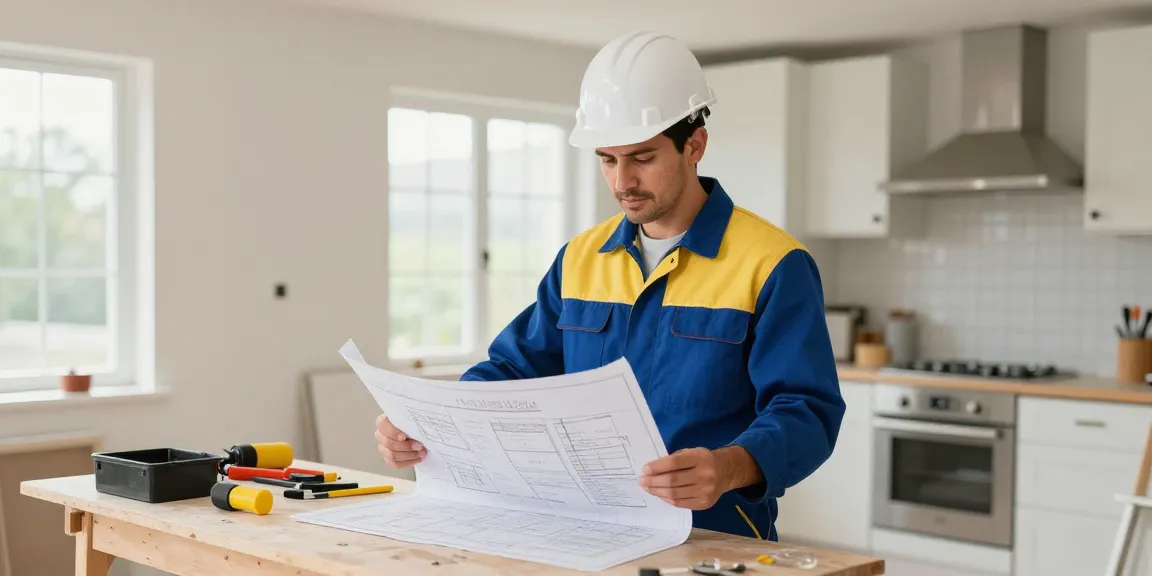
Understanding the Role of a New York General Contractor
When embarking on a construction or renovation project in New York, understanding the role of a New York General Contractor is crucial for a successful outcome. A general contractor is not just a builder; they are the orchestrators of a project, coordinating various aspects from hiring subcontractors to managing schedules and budgets. In this comprehensive guide, we will explore the key functions, qualifications, and essential aspects of working with general contractors in New York.
What Does a General Contractor Do?
A general contractor serves as the primary point of contact for a construction project. Their roles encompass a wide range of responsibilities, including:
- Project Management: Overseeing the entire construction process to ensure it runs smoothly and within the established timeline.
- Subcontractor Coordination: Hiring and managing various subcontractors such as electricians, plumbers, and carpenters.
- Budget Management: Creating and managing budgets, ensuring that costs stay within the financial framework of the project.
- Permitting and Codes: Navigating the legal requirements, permits, and building codes necessary for construction.
- Quality Control: Ensuring the work meets quality standards and specifications.
Key Qualifications to Look For
When selecting a general contractor in New York, certain qualifications and characteristics can indicate their capability:
- Experience: Proven experience in managing similar projects demonstrates competence and reliability.
- Credentials: A good contractor will have relevant certifications and licenses that affirm their skills.
- Communication Skills: Effective communication is essential for a smooth working relationship.
- Problem-solving Skills: Construction projects often face unexpected challenges; a capable contractor can address these effectively.
- Reputation: Positive reviews and references can provide insight into a contractor's reliability and quality of work.
Importance of Licensing and Insurance
In New York, general contractors are required to hold specific licenses as mandated by local authorities. This ensures they comply with various regulations and building codes. Additionally, having the right insurance coverage protects both the contractor and the homeowner from potential liabilities during the project. These may include:
- General Liability Insurance: Covers third-party injuries and property damage.
- Worker’s Compensation: Protects against injuries sustained by workers during the project.
- Performance Bonds: Assure that the project will be completed as contracted.
Finding Reputable New York General Contractors
Locating a trustworthy general contractor in New York can be challenging, but employing a systematic approach can yield promising results. Here are strategies to identify reputable contractors:
Methods for Locating Contractors
Several methods can assist in finding a general contractor that suits your needs:
- Word of Mouth: Recommendations from friends, family, or colleagues can lead to reliable contractors.
- Online Directories: Websites like Angie’s List and HomeAdvisor provide listings of contractors with reviews.
- Professional Associations: Groups such as the General Contractors Association can offer leads on qualified contractors.
- Social Media and Forums: Platforms like Facebook groups and construction forums can provide personal experiences and recommendations.
Evaluating Contractor Portfolios
Once a list of potential contractors is established, evaluating their portfolios is crucial:
- Past Projects: Reviewing completed projects can verify the contractor’s quality of work and style.
- Timeframes: Understanding how long previous projects took can set expectations for your installation.
- Diversity of Experience: A portfolio that showcases various project types indicates versatile skills.
Checking Reviews and References
Before making a final decision, examining reviews and checking references adds a layer of security:
- Online Reviews: Websites like Google Reviews provide insights from past clients regarding their experiences.
- Personal References: Speak directly with past clients to gauge their satisfaction and the contractor's reliability.
- Consulting with Trade Associations: Members can often provide insights regarding a contractor's reputation in the industry.
Inviting Bids and Comparing Quotes
Once you have narrowed down potential contractors, the next step is to invite bids and compare quotes effectively:
Steps to Requesting Quotes
Requesting quotes from contractors involves several organized steps:
- Define the Project: Clearly outline your project details and expectations to provide a basis for bids.
- Reach Out: Contact at least three contractors and invite them to submit a proposal for your project.
- Provide Context: Share any relevant plans or designs that might help contractors provide a more accurate estimate.
What to Include in Specifications
Your specifications should outline essential project details for contractors. Important aspects to include are:
- Project Scope: A detailed description of the work to be completed.
- Timelines: Desired starting and completion dates.
- Materials and Finishes: Specific materials and finishes that you prefer.
- Budget Constraints: If applicable, indicate an estimated budget range to align contractor expectations.
Evaluating Bids Effectively
Evaluating bids is crucial to selecting the right contractor. Considerations include:
- Cost: While cost is important, it's crucial to look at the overall value, including materials and labor.
- Timeline: Compare the expected timelines for each proposal.
- Scope of Work: Make sure the bid covers all aspects and matches your project specifications.
- Quality Assurance: Understand the contractor’s quality control measures and warranty offers.
Building a Strong Relationship with Your Contractor
A successful construction project is not solely about the contractual agreement; building a strong relationship with your contractor can open lines of communication and improve project outcomes:
Effective Communication Strategies
Communication is key in any partnership, and establishing a clear line of contact can prevent misunderstandings:
- Regular Updates: Schedule regular check-ins to discuss progress and challenges.
- Open Dialogue: Create an environment where both parties can share feedback openly and address issues immediately.
- Document Everything: Ensure all discussions and changes are documented to avoid confusion later.
Setting Clear Expectations
Setting expectations from the outset can minimize conflicts:
- Define Roles: Ensure both parties understand their responsibilities throughout the project.
- Timing and Milestones: Agree on key milestones and what constitutes project success at each stage.
- Address Concerns Early: Discuss any potential issues promptly to find solutions collaboratively.
Managing Changes and Disputes
Change is often unavoidable in construction projects. Managing this effectively can help keep projects on track:
- Change Orders: Establish a clear process for handling changes to the project scope and costs.
- Dispute Resolution: Discuss how disputes will be resolved before they arise to ensure a fair process.
- Flexibility: While it’s essential to adhere to the contract terms, being open to negotiation can lead to satisfactory resolutions.
Understanding Costs and Payment Structures
Financial transparency is paramount in construction. Understanding costs and how payments evolve can facilitate a smoother process:
Typical Costs for General Contracting in New York
The cost of hiring a general contractor in New York can vary widely depending on project scale, complexity, and materials used. Typically, costs can range from:
- Small renovations: $5,000 - $15,000.
- Mid-sized projects: $15,000 - $50,000.
- Larger construction projects: $50,000+.
Factors such as labor rates, materials, and timeline all influence the total budget.
Payment Schedules and Practices
Understanding how payments are structured can prevent financial disputes:
- Upfront Deposits: It's common for contractors to require an upfront deposit to secure their services.
- Progress Payments: Payments can be tied to specific milestones or completed work stages.
- Final Payments: A final payment is often made once all work is completed to satisfaction.
Managing Budget Overruns
Budget overruns can occur due to unforeseen issues. Strategies to manage these include:
- Contingency Funds: Set aside a contingency fund of 10-20% of the total budget for unexpected costs.
- Regular Financial Reviews: Regularly review expenses to identify areas where costs might exceed projections.
- Open Conversation: Maintain open communication with your contractor if costs appear to be overrunning.
Frequently Asked Questions
How do I find a reliable New York General Contractor?
You can find reliable contractors through online directories, industry referrals, or local building associations.
What should I ask during the initial consultation?
Ask about their experience, references, project timelines, and how they handle unexpected issues.
What is the average cost of hiring a general contractor?
The average cost can range from $5,000 to $30,000, depending on project size and complexity.
Are contractors required to have licenses in New York?
Yes, general contractors must have a valid license to operate legally in New York State.
How can I ensure my project stays on budget?
Establish a detailed contract, maintain communication, and regularly review expenses throughout the project.