Understanding mantra88: The Essence of Mindfulness Meditation
In the fast-paced world we live in, a growing number of individuals are seeking ways to cultivate inner peace and mindfulness. One powerful tool that has gained significant attention is mantra88, a form of meditation that incorporates the repetition of specific phrases or sounds to promote mental clarity and emotional well-being. This article delves into the fundamentals of mantra88, exploring its historical significance, benefits, and practical applications.
What is mantra88?
Mantra88 is a technique rooted in the broader practice of mantra meditation, which involves the repetition of phrases known as mantras. These mantras are often derived from ancient languages and are imbued with spiritual significance. The term "mantra" itself comes from the Sanskrit language, where 'man' means mind and 'tra' means instrument; thus, a mantra serves as an instrument for the mind. In the context of mantra88, practitioners typically focus on 88 distinct phrases that can enhance mindfulness and aid in personal transformation.
The Historical Significance of Mantras in Meditation
Mantras have been utilized for thousands of years, dating back to early Hindu texts known as the Vedas. They were primarily used in spiritual practices aimed at awakening higher consciousness and attaining self-realization. Over time, various cultures have adopted and adapted mantra practices, including Tibetan Buddhism and the Zen traditions in Japan. The beauty of mantra meditation lies in its simplicity and adaptability, allowing individuals across different faiths and backgrounds to experience its profound benefits.
Benefits of Incorporating mantra88 into Your Daily Practice
The incorporation of mantra88 into daily meditation has numerous benefits. Here are some key advantages:
- Enhanced Focus: Repeating mantras helps to anchor the mind, reducing distractions and enhancing concentration.
- Stress Reduction: Regular mantra meditation can lower cortisol levels, helping to relieve stress and promote relaxation.
- Emotional Balance: The rhythmic repetition of phrases can cultivate emotional stability, assisting practitioners in navigating life's ups and downs.
- Spiritual Connection: For many, mantra88 provides a pathway to deeper spiritual awareness and connection.
How to Get Started with mantra88 Meditation
Setting Up Your Meditation Space for Success
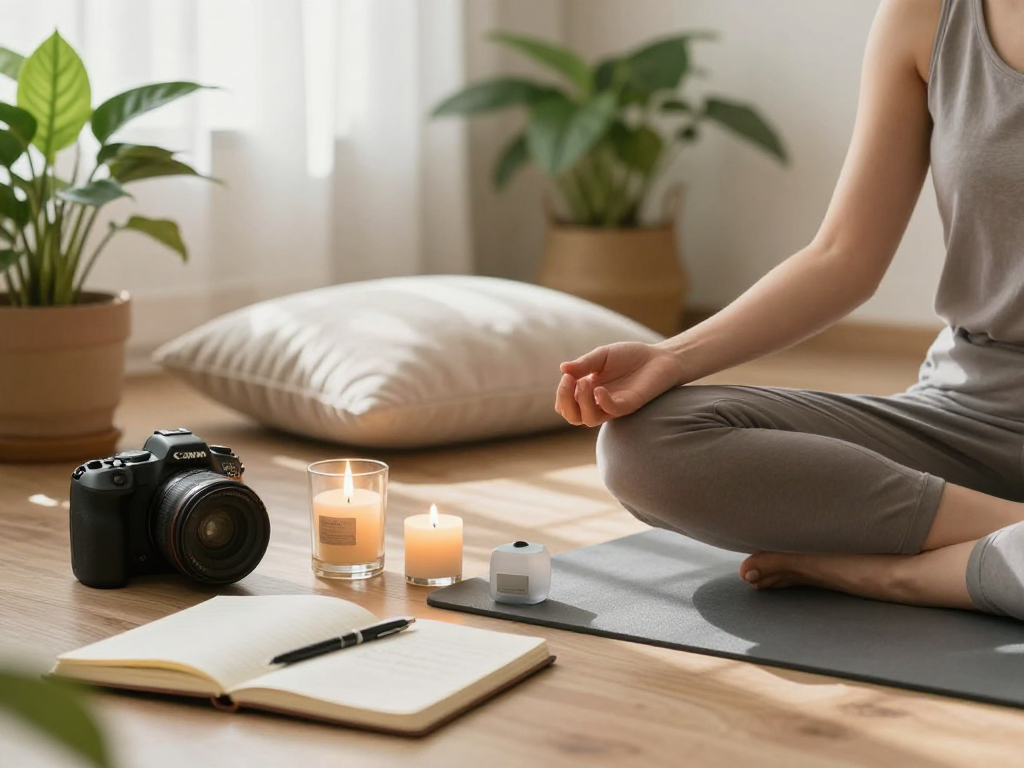
Creating an optimal environment for your mantra88 practice is crucial. Choose a quiet, comfortable space where you can sit undisturbed. Consider lighting candles or using essential oils to engage your senses, enhancing the overall experience. A well-defined meditation space helps signal to your mind that it is time to transition into a state of reflection and mindfulness.
Choosing the Right Mantra for Your Personal Journey
Selecting a mantra that resonates with you is a vital step in your practice. It could be a phrase that inspires you, evokes positive emotions, or aligns with your intentions. Many practitioners find that mantras focusing on love, peace, or healing serve as powerful tools to enhance their journey. Don't hesitate to explore various options and select the one that feels most aligned with your current life circumstances.
Step-by-Step Guide to Practicing mantra88 Meditation
To begin your mantra88 practice, follow these steps:
- Find a Comfortable Position: Sit in a comfortable position, either on a cushion or a chair, with your back straight and hands resting in your lap.
- Close Your Eyes: Gently close your eyes to minimize distractions and turn your focus inward.
- Start Repeating Your Mantra: Begin to silently or audibly repeat your chosen mantra. Allow the words to flow naturally without forcing them.
- Focus on Your Breath: As you repeat your mantra, pay attention to your breathing. Breathe deeply and slowly, aligning your mantra with your breaths.
- Allow Thoughts to Rise: If distractions or thoughts arise, acknowledge them without judgment, and gently return your focus to your mantra.
- Set a Timer: Start with short sessions, perhaps 5-10 minutes, gradually increasing the duration as you become more comfortable with the practice.
Common Challenges in mantra88 Practice and How to Overcome Them
Addressing Distractions: How to Stay Focused
Distraction is one of the most common challenges faced by meditators. To mitigate this, consider turning off your phone and minimizing external noises as much as possible. If your mind wanders, gently bring your attention back to your mantra without self-criticism.
Overcoming Self-Doubt: Building Your Confidence
Many beginners experience self-doubt about the effectiveness of their practice. Remember that meditation is a skill that develops over time. Consistency is key, and recognizing even small progress can boost your confidence. Engage with supportive communities or resources to help validate and strengthen your practice.
Maintaining Consistency in Your Meditation Routine
Establishing a regular meditation schedule can be beneficial. Try to meditate at the same time every day to create a routine. It might also help to pair your practice with another daily habit, such as brushing your teeth or making your morning coffee, to reinforce consistency.
Advanced Techniques for Deepening Your mantra88 Experience
Combining Mantras with Breathing Techniques
For advanced practitioners, combining mantra88 with specific breathing techniques can enhance the experience. Try synchronizing your mantra repetition with your breath: for instance, inhale deeply while mentally saying the first half of the mantra, and exhale while completing the phrase. This harmonious blend can deepen your meditative state.
Incorporating Visualization into Your Practice
Visualization is a powerful tool in mantra88 meditation. As you recite your mantra, imagine the intention behind it manifesting in your life. This can create a stronger emotional connection to your practice, amplifying its efficacy and providing a deeper sense of purpose.
Exploring Group Meditation: Benefits and Dynamics
Practicing mantra88 in a group setting can provide additional motivation and support. The collective energy of a group can enhance the meditative experience, fostering a sense of belonging and shared purpose. Look for local meditation groups or online communities to connect with others on similar journeys.
Future Trends in Meditation Practices: What to Expect by 2026
The Rise of Technology-Assisted Meditation
As we look ahead to 2026, technology is expected to play an increasingly significant role in meditation practices. Apps and virtual reality experiences designed to aid mindfulness and meditation will likely become more prevalent, offering guided sessions and personalized techniques to fit individual needs.
Integrating mantra88 into Mental Health Practices
There is a growing recognition of the benefits of meditation techniques, such as mantra88, in mental health treatment. By 2026, practitioners may see more integration of these techniques in therapeutic settings, supporting individuals struggling with anxiety, depression, and stress-related disorders.
Community and Global Adoption of Mindfulness Techniques
As mindfulness practices gain recognition worldwide, the adoption of techniques like mantra88 is expected to increase. Educational institutions, workplaces, and health organizations may integrate mindfulness training into their programs, promoting overall well-being and resilience in challenging times.
What is mantra88 meditation?
Mantra88 meditation is a practice that involves the repetition of 88 specific mantras to achieve mindfulness and emotional clarity.
How can beginners start with mantra88?
Beginners can start with mantra88 by creating a comfortable meditation space, selecting a resonant mantra, and following a step-by-step guide that includes focus on the breath and consistency in practice.
What challenges might one face when meditating?
Common challenges when meditating include distractions, self-doubt, and maintaining consistency. Addressing these issues can enhance the overall meditation experience.
Are there specific techniques for advanced mantra88 practice?
Advanced techniques may include combining mantra repetition with breathing exercises, using visualization, and participating in group meditations to deepen the experience.
What future trends should we expect in meditation?
By 2026, trends may include the rise of technology-assisted meditation, greater integration of meditation practices in mental health treatments, and a global increase in community-based mindfulness activities.