Understanding Scissor Lift Basics
What is a scissor lift?
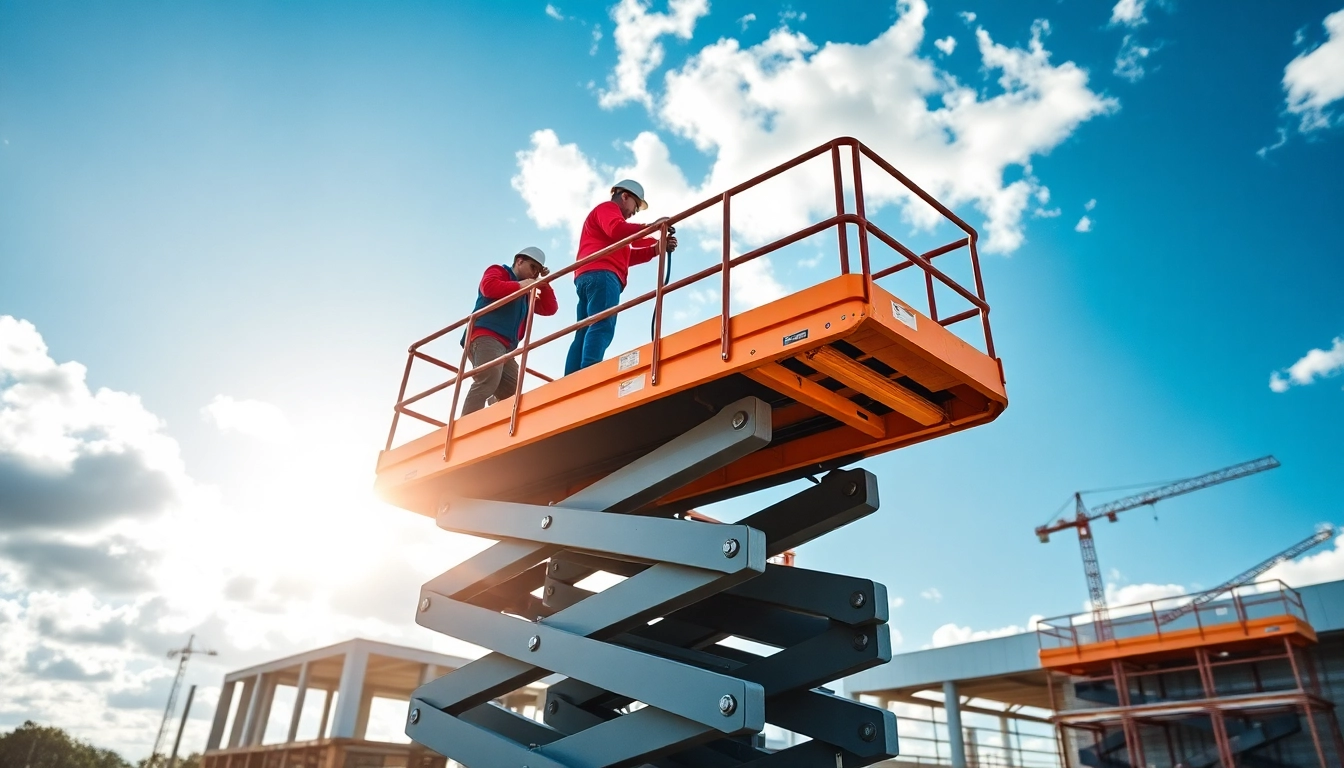
A scissor lift is a type of elevated work platform utilized for lifting personnel and equipment to various heights. The mechanism operates through a series of crisscrossed beams that resemble the folding and unfolding of a set of scissors. This unique design allows for vertical movement, making it ideal for tasks that require access to elevated areas, such as building maintenance, construction, and warehousing operations.
Components and Functionality
Understanding the basic components of a scissor lift is essential for effective operation and safety. Key components include:
- Platform: This is where the workers and materials are placed. It varies in size depending on the model.
- Hydraulic System: Enables the lift to raise and lower the platform smoothly, working through hydraulic cylinders activated by a control system.
- Chassis: The base that supports the entire structure, often equipped with wheels for mobility.
- Safety Guardrails: These are installed on the platform perimeter to prevent falls.
In addition to these, advanced models may also incorporate technologies like automatic leveling, stabilizers, and electronic controls for enhanced safety and performance. Understanding how these components work together can help in diagnosing issues and ensuring safer operation.
Common Applications of scissor lift
The versatility of scissor lifts makes them suitable for a range of applications across different industries. Common uses include:
- Construction: Essential for accessing high ceilings and roofs during building projects.
- Maintenance: Often used for electrical repairs, HVAC maintenance, and window cleaning on high-rise buildings.
- Warehousing: Utilized for inventory management, particularly in high stacks of goods, allowing workers to safely reach and handle products.
- Event Setup: Perfect for installing lighting and decorations in venues with elevated spaces.
These applications highlight the importance of selecting the appropriate scissor lift type for the specific task at hand, considering factors such as height, weight capacity, and mobility requirements.
Selecting the Right Scissor Lift for Your Project
Evaluating Project Requirements
Before selecting a scissor lift, it is critical to evaluate the specific requirements of your project. Key considerations include:
- Height Requirements: Identify the maximum height you need to reach and select a model that meets or exceeds this height.
- Weight Capacity: Determine the weight that needs to be lifted, including personnel and materials, to ensure safe operation.
- Terrain Type: Assess the working environment; rough terrain models are necessary for outdoor use on uneven surfaces.
- Operational Space: Consider the space available for maneuvering the lift, including turning radius and platform size.
By analyzing these factors, you can narrow down your options to the most suitable scissor lift for your needs, ensuring both effectiveness and safety in operation.
Differences Between Electric and Diesel Scissor Lift
Scissor lifts are generally categorized into electric and diesel models, each with distinct advantages and drawbacks:
- Electric Scissor Lifts: Best suited for indoor applications, these lifts operate quietly and emit no exhaust fumes. They are ideal for warehouses and construction sites where environmental concerns and indoor usage are predominant. However, electric lifts may have limitations in terms of height and weight capacity.
- Diesel Scissor Lifts: These are designed for outdoor use, equipped with engines that provide greater lifting power and can handle rough terrains. They are a better choice for construction sites where mobility and flexibility are required. However, they are louder and may emit harmful emissions.
Your choice between electric and diesel should depend on the specific working conditions, environmental considerations, and project requirements.
Safety Considerations When Choosing a scissor lift
Safety should always be a priority when selecting a scissor lift. Important aspects to consider include:
- Stability Features: Look for models with wide bases and stabilizing features, particularly for outdoor applications to prevent tipping.
- Guardrails: Ensure that the lift comes equipped with guardrails and hooks to secure harnesses for the safety of personnel working at height.
- Safety Ratings: Check for compliance with safety standards and certifications for the intended use environment.
Investing time in understanding these safety features can go a long way in preventing accidents and ensuring a secure working environment.
Operating a Scissor Lift Safely
Pre-Operation Checklist
Before operating a scissor lift, performing a thorough pre-operation checklist ensures safety and efficiency. Key items to include are:
- Inspecting the lift for any visible damage or abnormalities.
- Testing hydraulic functions and ensuring smooth operation of the lift system.
- Confirming the battery level for electric models or fuel levels for diesel models.
- Ensuring all safety features, such as guardrails and emergency stop buttons, are functioning correctly.
Caring for these pre-operation checks can help identify issues early and promote safer lifting operations.
Safe Operation Practices
To ensure a safe operation while using a scissor lift, adhere to the following practices:
- Always wear appropriate personal protective equipment (PPE), such as helmets, harnesses, and non-slip footwear.
- Maintain a clear communication line between the operator and the ground crew during lifts.
- Do not exceed the lift’s weight capacity or height limitations.
- Avoid sudden movements while operating the lift to prevent tipping or loss of balance.
- Never operate the lift in high winds or poor visibility conditions, as these factors can significantly impair safety.
Following these practices promotes a safer environment while maximizing productivity.
Understanding Lift Capacity and Limits
A critical aspect of scissor lift safety is understanding its lift capacity and operational limits. This includes:
- Weight Capacity: Always adhere to the manufacturer's specified weight limits, factoring in personnel and equipment weight. Overloading can lead to catastrophic failures.
- Reach Limits: Be mindful that certain configurations (like extended reach) may compromise stability and lift capacity. Understanding how load distribution affects stability is vital.
- Terrain Considerations: Recognize that surface conditions can affect the lift's stability. Use the right type of lift for specific terrain types (e.g., uneven outdoor surfaces vs. flat indoor floors).
Recognizing these limits can avoid dangerous accidents and ensure safe operation.
Maintenance Tips for Scissor Lift Longevity
Routine Checks and Inspections
Regular maintenance is essential for prolonging the lifespan of a scissor lift and ensuring it operates safely. Routine checks should include:
- Inspecting hydraulic systems for leaks or unusual noises.
- Checking the condition of the tires and tracks to ensure proper traction and mobility.
- A visual inspection of the platform for any cracks or weaknesses.
- Ensuring safety features are present and functional, including guardrails and emergency systems.
Scheduling routine inspections can help preemptively catch issues before they escalate into serious problems, reducing downtime and repair costs.
Common Issues and Troubleshooting
Understanding common issues that may arise with a scissor lift can facilitate quicker troubleshooting. Some frequent problems include:
- Hydraulic Failures: Often indicated by strange noises or slow lift operations. Check for leaks or pressure loss in the system.
- Electrical Issues: Failure to power on or erratic movements typically signal electrical problems. Inspect wiring and battery connections for damage.
- Structural Damages: Signs of wear and stress can present safety risks. Regularly inspect for cracks or bending on the platform or base.
Effective troubleshooting can minimize costly repairs and extend the life of the equipment.
Cleaning and Care for Your scissor lift
Keeping the scissor lift clean is vital for performance and longevity. Regular cleaning should involve:
- Wiping down the platform with appropriate cleaning solutions to remove dirt and debris.
- Inspecting and cleaning the hydraulic components to prevent buildup that might hinder performance.
- Cleansing the tires and chassis to keep mobility efficient and safe.
Regular cleaning not only keeps the lift aesthetically pleasing but also plays a crucial role in identifying potential issues early.
Coding Safety Protocols for Scissor Lift Operations
Key Safety Regulations to Follow
Adhering to established safety regulations is crucial for safe scissor lift operations. This includes:
- Following guidelines set forth by regulatory bodies, which often dictate training and operational procedures.
- Conducting regular safety audits to ensure best practices are consistently applied.
- Documenting all training and inspections to provide accountability and ensure compliance.
Establishing these protocols and ensuring compliance significantly reduces the risk of accidents and fosters a safety-oriented workplace culture.
Training and Certification Requirements
Training personnel to operate scissor lifts safely is essential. Ensure the following:
- Operators undergo proper training that covers understanding controls, safety features, and emergency procedures.
- Certification processes are adhered to, often required by local regulations, which generally include both theoretical and practical instruction.
- Ongoing training opportunities are provided to keep staff informed about new technologies and updated best practices.
Maintaining rigorous training and certification practices not only enhances safety but also improves operational efficiency.
FAQs on Scissor Lift Safety
What is the maximum height a scissor lift can reach?
The maximum height of a scissor lift varies by model, typically ranging from 10 feet to over 70 feet, depending on the lifting mechanism and design.
Are scissor lifts safe to use indoors?
Yes, scissor lifts are designed for indoor use, especially electric models that operate quietly and without emissions, making them ideal for warehouses and maintenance tasks.
What should I do if the lift stops working while elevated?
If a scissor lift stops while elevated, remain calm. Use the emergency descent button if available and notify ground personnel to assist with lowering the lift safely.
How often should I inspect a scissor lift?
Scissor lifts should be inspected before each use, with more thorough inspections conducted regularly, as per the manufacturer's guidelines and local regulations.
Do I need training to operate a scissor lift?
Yes, operators must receive proper training and certification to ensure they understand safety protocols and effective operation, reducing accident risk during use.