Understanding the Basics of Excavators
What is an excavator?
An excavator is a powerful construction machine designed for digging, lifting, and carrying heavy materials in various terrains. Typically featuring a boom, stick, and bucket configuration, excavators are versatile tools widely used in construction, mining, and landscaping. The unique capability of an excavator to rotate 360 degrees makes it optimal for tasks ranging from earthmoving to demolition. Its efficiency and flexibility, powered by hydraulic systems, significantly contribute to productivity on job sites. For those exploring rental options, you can find a suitable excavator that meets your project requirements.
Main components of an excavator
Understanding the main components of an excavator can help operators maximize its potential. Key parts include:
- Cab: The operator's area, often equipped with controls, displays, and comfort features.
- Boom: The long arm connected to the excavator's cabin, used to reach out and position the bucket.
- Stick: A smaller arm that extends from the boom to provide more reach for digging.
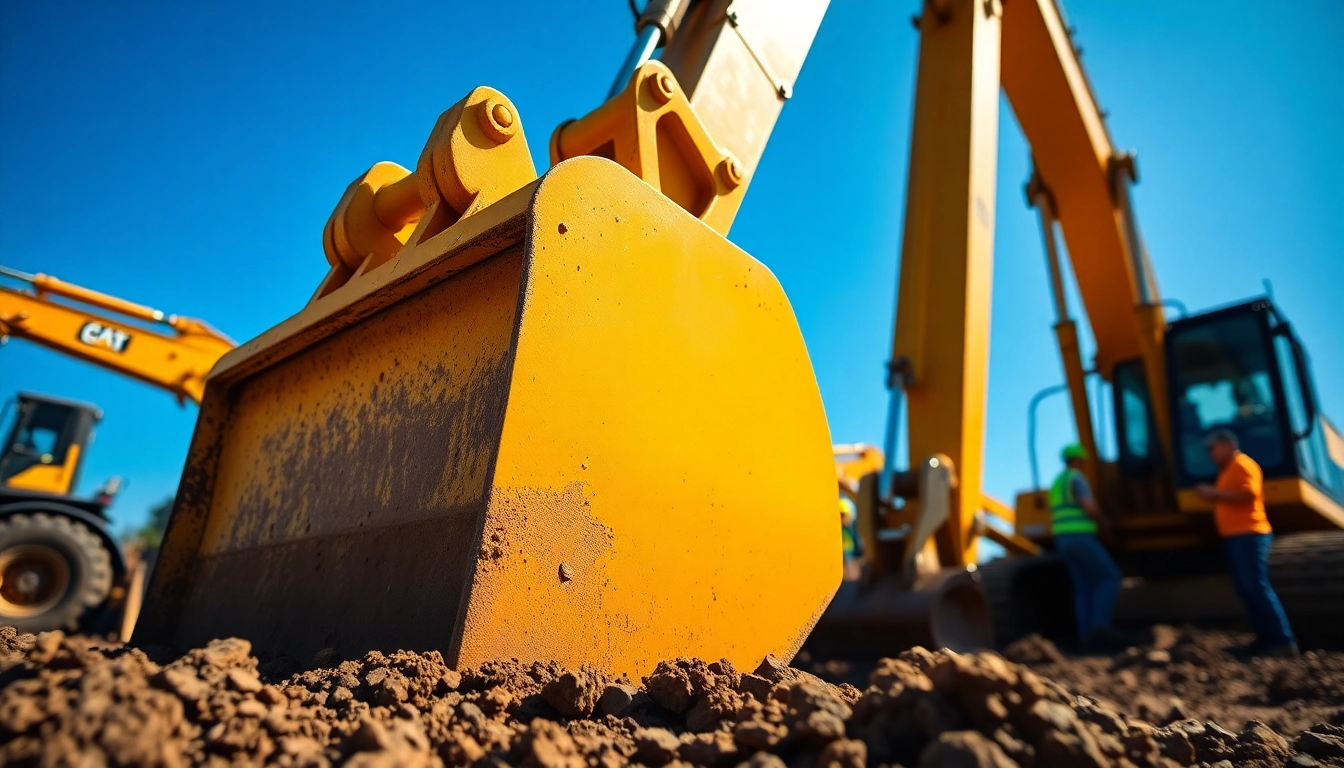
- Bucket: The digging tool at the end of the stick, available in various shapes and sizes for different tasks.
- Undercarriage: The base that supports the excavator, featuring tracks or wheels for mobility.
Each component plays a vital role in the machine's overall function, with various options available depending on specific operational needs.
Types of excavators available
Excavators come in various types, each engineered for specific applications. Understanding what options exist can assist in selecting the right machine for a job:
- Standard Excavators: Ideal for general construction and heavy-duty work.
- Mini Excavators: Compact machines suited for tight spaces and smaller projects.
- Long Reach Excavators: Designed for projects requiring extended reach, perfect for demolition jobs.
- Hydraulic Excavators: Use hydraulic cylinders for powerful digging applications.
- Wheeled Excavators: Optimized for urban environments and paved surfaces but limited in off-road capabilities.
This variety allows project managers and operators to choose a machine that best aligns with their specific job requirements and environmental conditions.
Choosing the Right Excavator for Your Project
Factors to consider when selecting an excavator
When selecting an excavator, several factors must be considered to ensure the right fit for the project:
- Size and Weight: Ensure the excavator meets weight restrictions and dimensions of the workspace.
- Attachment Compatibility: Assess the need for attachments like buckets or hammers, which extend the excavator's utility.
- Hydraulic Power: Determine the hydraulic power necessary for specific tasks, as it impacts efficiency.
- Terrain Type: Consider the nature of the terrain where excavation is required; some excavators are designed for rough or uneven ground.
- Budget: Factor in initial costs, maintenance, fuel costs, and potential for rental versus buying.
Evaluating these criteria helps in making an informed decision that aligns with project goals.
Rental vs. purchase: making the right choice
The choice between renting or purchasing an excavator depends on various project and financial considerations:
- Duration of Use: Renting may be more cost-effective for short-term projects whereas purchasing is often favorable for long-term use.
- Budget Constraints: If upfront capital is limited, renting can provide access to necessary equipment without large investments.
- Maintenance Responsibilities: Owning an excavator entails comprehensive maintenance, while rentals often include upkeep in the agreement.
- Technology and Upgrades: Renting allows access to the latest models and technology without the commitment of ownership.
Evaluating the trade-offs between rental and ownership will help you align your choice with project requirements and financial capacity.
Top excavator brands and models
When considering which excavator to rent or purchase, examining top brands and their popular models can provide insights into reliability and performance:
- Brand A: Known for innovation and fuel efficiency, the model X is favored in construction.
- Brand B: Offers models with advanced hydraulic systems for smooth operation, making it ideal for heavy-duty tasks.
- Brand C: Known for mini excavators, providing excellent maneuverability in urban settings.
- Brand D: Excels in long-reach capabilities, offering models that are effective for demolition and deep excavation.
Researching these brands and their respective offerings can enhance your decision-making process and identify a model that aligns with project demands.
Best Practices for Operating an Excavator
Safety protocols every operator should know
Operating an excavator requires adherence to safety protocols to protect both the operator and those on the job site. Key safety measures include:
- Wear Safety Gear: Always don personal protective equipment, including helmets, gloves, and steel-toed boots.
- Pre-Operational Checks: Conduct thorough checks of all systems, including fuel, hydraulic oil, and brakes before operation.
- Attend Safety Training: Continuous learning about operating protocols, safe maneuvering, and emergency procedures is essential.
- Maintain Visibility: Use spotters when working in congested areas or when the operator’s view is restricted.
- Stay Alert: Be aware of surroundings and potential hazards such as overhead cables or unstable ground.
Following these protocols can vastly enhance safety during excavation tasks.
Techniques for efficient digging and lifting
Efficiency in operating an excavator is crucial to completing projects on time and within budget. Techniques for effective digging and lifting include:
- Use Smooth, Controlled Movements: Avoid jerky motions to maximize efficiency and reduce wear on hydraulic components.
- Positioning the Excavator: Properly align the excavator to optimize the digging angle and prevent unnecessary strain.
- Utilize the Bucket’s Capacity: Fill the bucket to an appropriate level to avoid overloading, which can slow down operations.
- Monitor Load Distribution: Ensure weight is evenly distributed during lifting to prevent tipping and maintain stability.
- Engage the Right Attachments: Use specialized attachments for specific jobs to improve operational efficiency.
Implementing these techniques can enhance productivity and extend the operational life of the excavator.
Maintaining your excavator for longevity
Proper maintenance is vital for ensuring the longevity and optimal performance of an excavator. Best practices include:
- Regular Inspections: Schedule routine checks to identify wear and tear or potential mechanical issues early.
- Hydraulic System Maintenance: Regularly inspect and replace hydraulic fluids to prevent costly breakdowns.
- Keep It Clean: Regular cleaning to remove dirt and debris can prevent rust and deterioration of components.
- Track Replacement: Monitoring the wear on tracks or tires can avoid premature failure.
- Service by Professionals: Schedule annual servicing by qualified technicians to address complex maintenance needs.
By prioritizing maintenance, operators can maximize their excavator's lifespan and operational efficiency, reducing costly downtime.
Common Challenges and Solutions in Excavator Use
Dealing with tough terrain
Operating an excavator in challenging terrain presents unique challenges. Here are some common issues and how to address them:
- Uneven Ground: Use a larger excavator designed for stability or consider a tracked machine for better ground distribution.
- Loose Soil: Employ a scoop bucket to distribute weight more evenly and prevent sinking into soft ground.
- Rocky Terrain: Use a heavy-duty bucket with reinforced edges to manage tough surfaces effectively.
- Potholes and Deep Excavations: Work gradually from higher ground to deeper spots to maintain stability.
By tailoring techniques and equipment to the specific challenges of the terrain, operators can enhance efficiency and safety during excavation tasks.
Preventing operational downtime
Minimizing operational downtime is critical for project timelines and costs. Solutions include:
- Preventive Maintenance: Implementing a strict preventive maintenance schedule can catch issues before they escalate.
- Operator Training: Regularly training operators ensures optimal machine operation and technique, reducing wear and tear.
- Monitor Usage Hours: Keep track of operational hours to schedule timely maintenance and service checks.
- Inventory of Spare Parts: Maintain a stock of essential spare parts to quickly address common repairs without lengthy waits.
By focusing on reducing downtime through proactive measures, projects can continue smoothly and on schedule.
Addressing mechanical failures
Mechanical failures can be a significant concern when operating excavators. Addressing these effectively involves:
- Immediate Shutdown: Cease operations immediately upon noticing irregular sounds or vibrations to prevent further damage.
- Professional Assessment: Contact a qualified technician promptly for a thorough evaluation of the issue.
- Document Issues: Maintain records of mechanical failures, including dates, symptoms, and repairs to better analyze recurring problems.
- Routine Training: Regularly train operators to identify potential issues before they lead to major failures.
By preparing for and addressing mechanical failures efficiently, operators can maintain project timelines and operational integrity.
Future Trends in Excavation Technology
Advancements in excavator designs
Excavator designs continue to evolve, enhancing efficiency and safety. Some significant advancements to note include:
- Electric Excavators: Electric models reduce emissions and fuel costs, providing a more sustainable option for construction.
- Telematics Integration: Advanced monitoring systems can track performance metrics and location, improving machine utilization.
- Compact Design Innovations: New designs allow for improved maneuverability in tight spaces without sacrificing power.
- Increased Automation: Automated functions enable operators to perform complex tasks with greater precision and ease.
These advancements reflect the industry's shift towards more sustainable, efficient, and user-friendly excavation solutions.
Impact of robotics on excavator operations
The introduction of robotics into excavation operations is revolutionizing the industry. Key impacts include:
- Increased Precision: Robotic systems can perform tasks with pinpoint accuracy, reducing material waste and improving overall efficiency.
- Enhancing Safety: Robotics can take over dangerous tasks, reducing the risk of injury to human operators.
- Remote Operation: Operators can control excavators from a safe distance, increasing productivity in hazardous locations.
- Data-Driven Insights: Robotics equipped with AI can analyze terrain and optimize work processes based on real-time data.
The integration of robotics not only improves operational capabilities but also aligns excavation practices with technological advancement.
Environmental considerations in excavation
As environmental awareness grows, excavation practices must adapt. Considerations include:
- Minimizing Disturbance: Employ techniques that reduce soil disruption and protect existing flora and fauna.
- Waste Reduction: Implement recycling practices for excavated materials and minimize littering on job sites.
- Fuel Efficiency: Opt for excavators that utilize fuel-efficient technologies to lower emissions during operation.
- Noise Reduction: Use quieter machines and equipment to minimize noise pollution in populated areas.
By making environmentally-conscious decisions, project managers can align excavation practices with sustainability goals.
Frequently Asked Questions
What types of excavators are available?
Excavators come in various types, including standard, mini, long-reach, hydraulic, and wheeled models, each suited for specific applications.
What is the importance of proper maintenance for excavators?
Proper maintenance extends the lifespan of an excavator, ensures optimal performance, and minimizes costly downtime during projects.
How can I improve safety when operating an excavator?
Operators can improve safety by wearing protective gear, conducting pre-operational checks, attending safety training, and being aware of surroundings.
When should I consider renting an excavator?
Renting is ideal for short-term projects or infrequent use, allowing access to equipment without the costs associated with ownership.
What are some common challenges faced when operating an excavator?
Common challenges include dealing with tough terrain, preventing operational downtime, addressing mechanical failures, and ensuring safety compliance.